

Which Monitoring Hardware Uses Wi-Fi and Cellular Technology for Accurate Tracking?
Modern electronic monitoring hardware uses Wi-Fi and cellular technology to provide accurate, real-time tracking in both indoor and outdoor environments. JSG Monitoring supplies these advanced devices to courts, law enforcement, and monitoring companies. This guide covers the specific hardware, indoor positioning systems, and ankle bracelet technologies that drive reliable community supervision.
Ankle Monitor Technology
Ankle monitor technology is a category of electronic devices worn on the lower leg to track an individual's location and compliance with court orders. These devices have evolved from simple radio frequency (RF) units to sophisticated multi-network systems. The primary goal is to provide continuous, accurate location data that supports public safety and reduces the burden on correctional facilities.
The Role of Cellular Networks
Cellular technology is the backbone of modern outdoor tracking. By utilizing 4G and 5G networks, monitoring devices can transmit location data in real-time across vast geographic areas. This connectivity ensures that supervising officers receive immediate updates on a client's movements, regardless of their location. The choice of network depends on the operational needs of the monitoring program, with cellular networks being the most common method for transmitting data.
Integration of Wi-Fi for Enhanced Accuracy
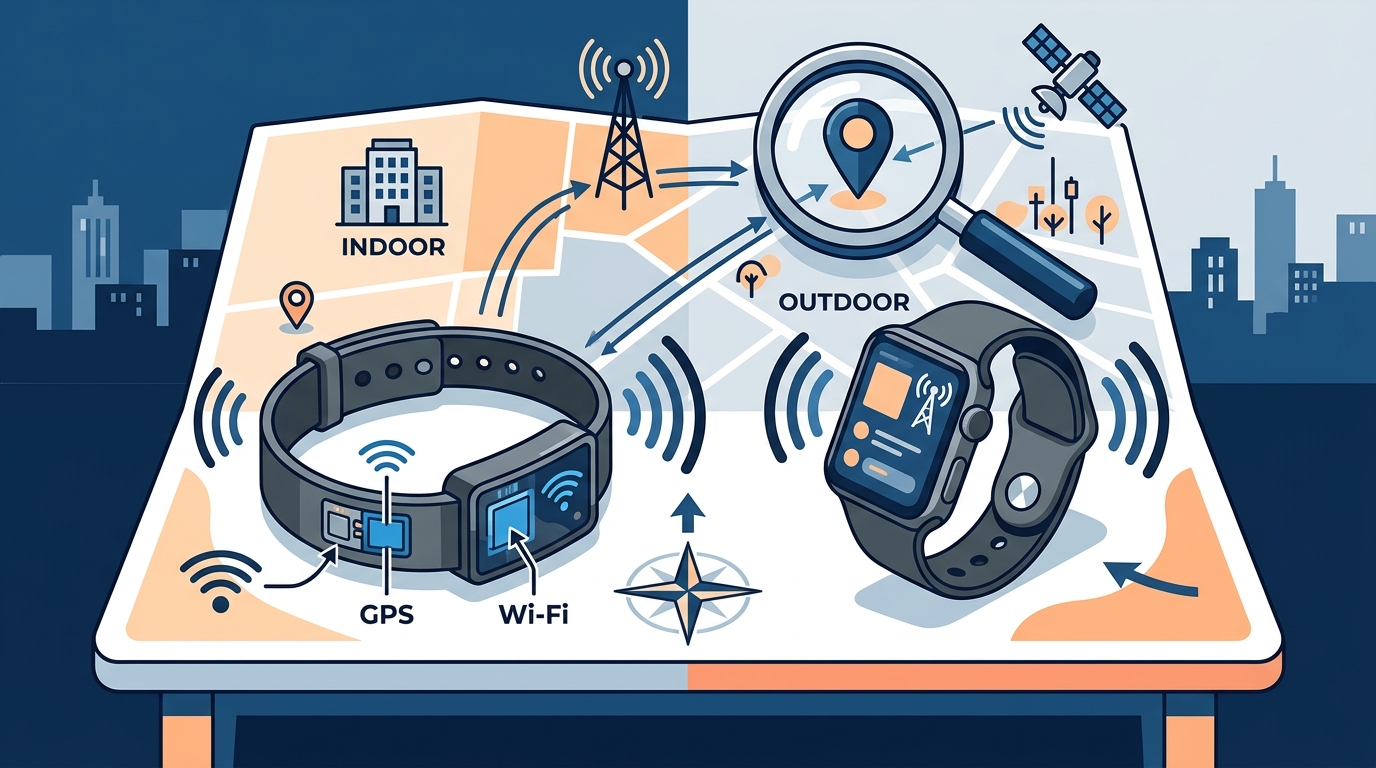
While cellular networks provide broad coverage, Wi-Fi technology adds a layer of precision. Many modern ankle monitors integrate Wi-Fi scanning to triangulate a device's position when GPS signals are weak or unavailable. This hybrid approach allows for more accurate tracking in dense urban environments or areas with significant GPS interference. The combination of these technologies ensures that the monitoring system remains robust and reliable under various conditions.
Two-Way Communication Capabilities
Advanced ankle monitors often include two-way communication features, allowing for direct interaction between the monitoring center and the wearer. This can include audio alerts, vibration notifications, and the ability for the wearer to acknowledge messages. These features enhance accountability and provide a direct line of communication for compliance checks. For example, the OM500 offers continuous 24/7 tracking and two-way communication, ensuring real-time monitoring and interaction with offenders.
Indoor Positioning Systems
Indoor positioning is an enabling technology for home, office, and industrial networks, and it plays a critical role in electronic monitoring. Traditional GPS signals often degrade significantly indoors, making it difficult to verify if a client is actually at home or in a restricted zone. Indoor positioning systems (IPS) solve this problem by using alternative signals to determine a device's location within a building.
Wi-Fi Fine Timing Measurement
One of the most advanced methods for indoor positioning is Wi-Fi Fine Timing Measurement (FTM). This technology allows for precise distance measurement between a Wi-Fi access point and a client device. By analyzing the time it takes for signals to travel, the system can calculate the device's location with high accuracy. This is particularly useful for verifying curfew compliance and ensuring that clients remain within authorized indoor spaces.
RF and Wi-Fi Beacons
Many monitoring programs utilize optional RF and Wi-Fi beacons to enable precise tracking in indoor and GPS-impaired environments. These beacons are placed in specific locations, such as a client's home or a workplace, and communicate with the ankle monitor. When the device comes within range of a beacon, it confirms the client's presence in that specific area. This method is highly reliable for house arrest programs and other scenarios where indoor verification is required.
Challenges and Solutions
Implementing indoor positioning systems presents several challenges, including signal multipath and interference from other electronic devices. To address these issues, modern monitoring hardware uses advanced algorithms and multiple signal sources. By combining Wi-Fi, cellular, and beacon data, the system can provide a comprehensive and accurate picture of the client's location. This multi-sensor approach ensures that the monitoring program remains effective even in complex indoor environments.
Ankle Bracelet Hardware
Ankle bracelet hardware refers to the physical components of the monitoring device, including the main unit, strap, and charging mechanism. The design of this hardware is crucial for both the reliability of the tracking and the comfort of the wearer. JSG Monitoring offers a range of ankle bracelets that are designed to be durable, tamper-resistant, and easy to use.
Low-Profile and Discreet Designs
Modern ankle bracelets are designed to be low-profile and discreet, reducing the stigma associated with wearing a monitoring device. The BI LOC8 XT, for example, is a state-of-the-art ankle bracelet designed to deliver discreet, reliable, and comprehensive offender monitoring. Its low-profile, form-fitting design ensures comfort and discretion for clients while maintaining robust functionality for agencies managing offender compliance. This focus on user experience helps improve compliance and reduces the likelihood of tampering.
Tamper Detection and Security Features
Security is a top priority in ankle bracelet hardware. These devices are equipped with robust tamper detection features to ensure immediate alerts in case of tampering attempts. The BI LOC8 XT includes advanced tamper detection, while the OM500 features a cut-free, fiber optic strap that prevents false tamper alerts. These security measures are essential for maintaining the integrity of the monitoring program and ensuring that any attempts to bypass the device are quickly identified and addressed.
Battery Life and Charging
Battery life is a critical factor in the design of ankle bracelet hardware. Long battery life ensures that the device can operate continuously without frequent recharging, which is essential for 24/7 monitoring. The OM500 boasts a rapid-charging, long-life battery and a rotating magnetic charger, improving ease of use and compliance for offenders. Similarly, the BI LOC8 XT includes power-saving options that enhance the device's battery life, ensuring reliable performance while minimizing the need for frequent recharges.
| Device | Key Technologies | Indoor Tracking | Special Features |
|---|---|---|---|
| BI LOC8 XT | GPS, Wi-Fi, Cellular | Yes, via Wi-Fi | Low-profile design, over-the-air updates |
| OM500 | GPS, Cellular, RF/Wi-Fi Beacons | Yes, via Beacons | Two-way communication, cut-free strap |
| SCRAM GPS | GPS, 3G | Limited | Tamper-proof strap, GPS Analytics |
Key Takeaways
- Modern ankle monitors use a combination of GPS, Wi-Fi, and cellular technology for accurate tracking.
- Cellular networks provide broad coverage for outdoor tracking, while Wi-Fi enhances accuracy in indoor environments.
- Indoor positioning systems, such as Wi-Fi FTM and RF beacons, are essential for verifying curfew compliance.
- Low-profile and discreet hardware designs improve wearer comfort and compliance.
- Robust tamper detection features are critical for maintaining the integrity of the monitoring program.
- Long battery life and efficient charging mechanisms ensure continuous 24/7 monitoring.
- JSG Monitoring provides a comprehensive range of hardware solutions tailored to the needs of courts and law enforcement.
Frequently Asked Questions
What is the primary benefit of using Wi-Fi in monitoring hardware?
Wi-Fi enhances the accuracy of location tracking, particularly in indoor environments where GPS signals may be weak. It allows for precise triangulation of the device's position, ensuring reliable verification of curfew compliance.
How does cellular technology contribute to monitoring?
Cellular technology enables real-time data transmission over long distances. It ensures that supervising officers receive immediate updates on a client's movements, regardless of their location.
Are ankle bracelets comfortable to wear?
Modern ankle bracelets are designed to be low-profile and form-fitting, ensuring comfort and discretion for the wearer. This focus on user experience helps improve compliance and reduces the likelihood of tampering.
What is an indoor positioning system?
An indoor positioning system is a technology that determines the location of a device within a building. It uses signals such as Wi-Fi, RF, or beacons to provide accurate location data in environments where GPS is ineffective.
How do tamper detection features work?
Tamper detection features monitor the integrity of the device and its strap. If any attempt is made to remove or damage the device, the system immediately sends an alert to the monitoring center.
Can monitoring hardware be updated remotely?
Yes, many modern devices, such as the BI LOC8 XT, support over-the-air firmware updates. This allows the device to remain up to date without requiring physical servicing, reducing downtime and operational costs.
What is the role of beacons in monitoring?
Beacons are small devices placed in specific locations that communicate with the ankle monitor. They help verify the client's presence in authorized areas, such as their home or workplace, by confirming when the device comes within range.
Conclusion
Choosing the right monitoring hardware is essential for the success of any community supervision program. By leveraging Wi-Fi and cellular technology, modern ankle monitors provide accurate, real-time tracking in both indoor and outdoor environments. JSG Monitoring offers a comprehensive range of solutions, including the BI LOC8 XT and OM500, designed to meet the unique needs of courts and law enforcement. To explore how these technologies can enhance your monitoring program, today.