

Which Monitoring Hardware Uses Wi-Fi and Cellular Technology for Accurate Tracking?
Modern electronic monitoring hardware relies on a hybrid of Wi-Fi, cellular, and GPS signals to deliver accurate, real-time tracking. This approach ensures continuous location data even when satellite signals are weak or blocked indoors. JSG Monitoring provides these advanced solutions to courts, law enforcement, and monitoring companies. This guide covers the specific technologies behind ankle monitors and indoor positioning systems. It explains how these devices maintain precision in complex environments.
Ankle Monitor Technology
Ankle monitor technology is a category of wearable devices designed for continuous offender supervision. These devices typically use a combination of Global Positioning System (GPS) and cellular data to transmit location information. While GPS provides broad outdoor coverage, it often fails in dense urban canyons or inside buildings. Cellular technology bridges this gap by using nearby cell towers to triangulate a device's position. This hybrid approach ensures that monitoring agencies receive consistent data regardless of the wearer's location.
The Role of Cellular Connectivity
Cellular connectivity is the backbone of modern remote monitoring. Devices like the Omnilink GPS utilize cellular networks to send real-time location pings. This allows for two-way communication, where the device can send alerts and receive commands. The OM500 model, for instance, features a durable design with a long-life battery that supports continuous cellular transmission. This reliability is critical for agencies that need to act quickly on potential violations.
Discreet Design and Durability
Modern ankle monitors are engineered to be low-profile and tamper-resistant. The BI LOC8 XT is a prime example of this evolution. It is a low-profile ankle bracelet that uses GPS, Wi-Fi, and cellular technology to ensure complete community coverage. Its robust tamper detection features provide immediate alerts if the device is compromised. The device also supports over-the-air firmware updates, which reduces the need for physical servicing and minimizes downtime for monitoring staff.
Integration with Software Platforms
Hardware is only as effective as the software that processes its data. The Omnilink GPS integrates seamlessly with FocalPoint software, a cloud-based application for real-time monitoring. This integration allows officers to visualize offender movements on a map. It provides actionable insights that help in making informed supervision decisions. By combining reliable hardware with intuitive software, agencies can streamline their operations and improve compliance rates.
Indoor Positioning Systems
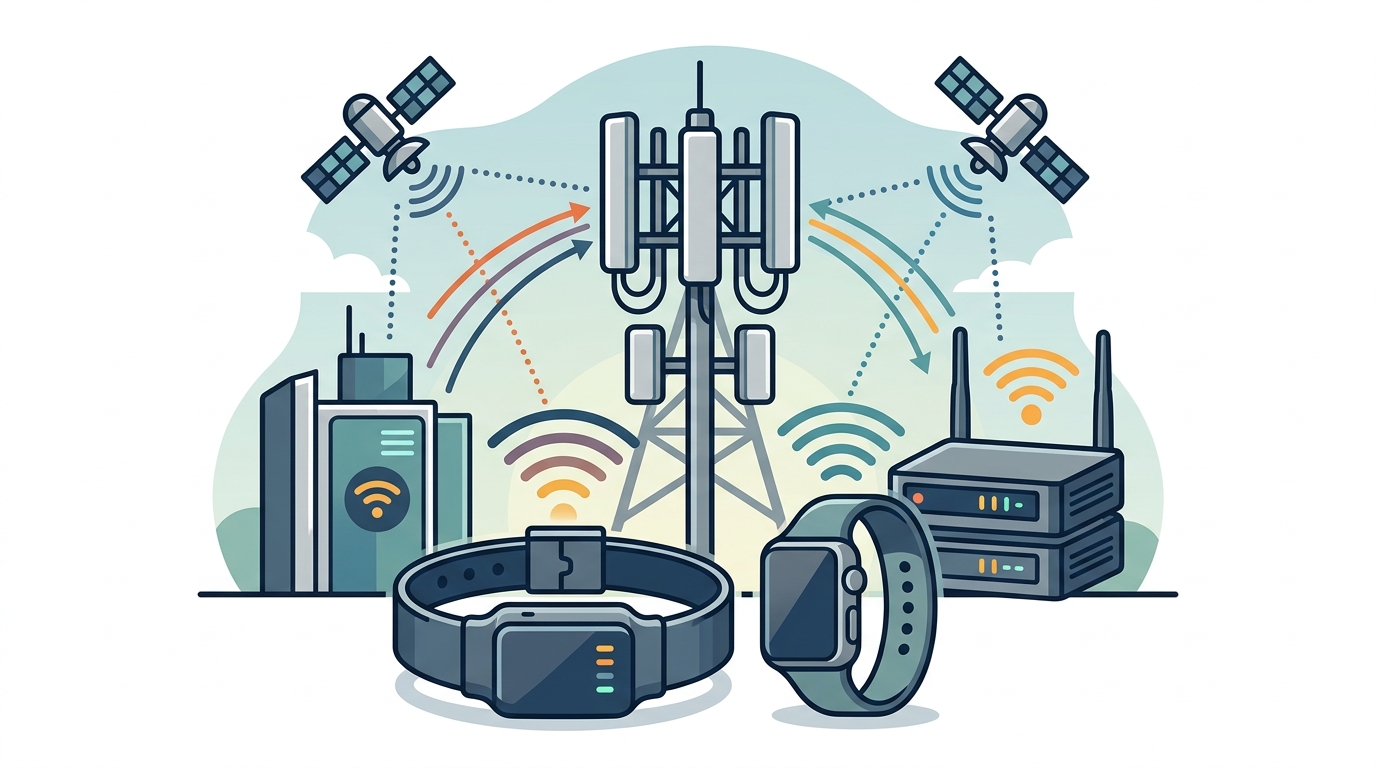
Indoor positioning systems are technologies that determine the precise location of a device inside a building. GPS signals are often too weak or distorted to provide accurate data indoors. To solve this, monitoring hardware uses Wi-Fi and Radio Frequency (RF) beacons. These systems allow for precise tracking in homes, detention centers, and other indoor environments. This capability is essential for enforcing curfews and exclusion zones with high accuracy.
Wi-Fi Fingerprinting and Beacons
Wi-Fi fingerprinting is a method that uses the signal strength of nearby Wi-Fi access points to estimate a device's location. The BI LOC8 XT leverages Wi-Fi technology to maintain accurate tracking even during GPS interference. By analyzing the signals from multiple access points, the device can pinpoint its position within a room or building. This technology is particularly useful in urban areas where GPS signals are frequently blocked by tall structures.
RF Beacon Technology
RF beacon technology involves placing small transmitters in specific locations, such as a home or a workplace. The monitoring device detects these beacons and confirms the wearer's presence. The Omnilink GPS is compatible with optional RF and Wi-Fi beacons, enabling precise tracking in indoor and GPS-impaired environments. This feature allows agencies to verify that an offender is at home during curfew hours. It provides a reliable method for enforcing court-ordered conditions without the need for constant manual checks.
Wrist-Worn Alternatives for Indoor Tracking
While ankle monitors are the standard, wrist-worn devices offer another option for indoor tracking. The BI VeriWatch is a discreet wrist-worn device that uses GPS and Wi-Fi for reliable real-time monitoring. It is comparable in size to a consumer smartwatch, making it less conspicuous than traditional ankle bracelets. The device features a proximity sensor that aids in detecting removal and prompts a biometric check-in. This combination of Wi-Fi tracking and biometric verification ensures that the device remains on the authorized user.
| Device | Primary Tracking Technologies | Indoor Capabilities | Key Features |
|---|---|---|---|
| Omnilink GPS | GPS, Cellular, RF/Wi-Fi Beacons | Precise indoor tracking via beacons | Two-way communication, tamper-proof strap |
| BI LOC8 XT | GPS, Wi-Fi, Cellular | Accurate tracking in GPS-impaired areas | Low-profile design, over-the-air updates |
| BI VeriWatch | GPS, Wi-Fi, Cellular | Real-time monitoring with biometric checks | Wrist-worn, smartwatch-sized, liveness detection |
Key Takeaways
- Hybrid tracking using GPS, Wi-Fi, and cellular ensures accurate location data in both outdoor and indoor environments.
- Cellular technology provides the backbone for real-time data transmission and two-way communication.
- Wi-Fi fingerprinting allows devices to maintain precision in urban areas and inside buildings where GPS fails.
- RF beacons enable precise verification of an offender's presence in specific locations, such as a home.
- Low-profile designs, like the BI LOC8 XT, enhance compliance by reducing the visibility of the device.
- Wrist-worn devices like the BI VeriWatch offer a discreet alternative with biometric verification features.
- Integration with cloud-based software platforms is essential for visualizing and acting on monitoring data.
- Over-the-air updates and robust tamper detection reduce administrative burdens for monitoring agencies.
Frequently Asked Questions
How does Wi-Fi technology improve the accuracy of ankle monitors?
Wi-Fi technology improves accuracy by using signal strength from nearby access points to triangulate a device's position. This is particularly useful indoors or in urban areas where GPS signals are weak. It allows for precise location tracking even when satellite data is unavailable.
What is the difference between GPS and cellular tracking?
GPS uses satellite signals to determine location, which is best for outdoor use. Cellular tracking uses nearby cell towers to estimate position, which is more reliable indoors or in dense urban environments. Modern devices use both to ensure continuous coverage.
Can monitoring devices track offenders inside their homes?
Yes, devices equipped with Wi-Fi or RF beacon technology can track offenders indoors. The Omnilink GPS, for example, uses beacons to provide precise tracking in indoor environments. This allows agencies to verify curfew compliance accurately.
Are wrist-worn monitors as effective as ankle monitors?
How do tamper detection features work in modern monitoring devices?
Tamper detection features use sensors to monitor the integrity of the device and its strap. If the device is cut, removed, or interfered with, it sends an immediate alert to the monitoring center. The BI LOC8 XT features robust tamper detection to ensure security and accountability.
What role does software play in electronic monitoring?
Software platforms process the data sent by monitoring devices and present it in a user-friendly format. Tools like FocalPoint allow officers to visualize movements and receive real-time alerts. This integration is crucial for efficient case management and quick response to violations.
How often are monitoring devices updated?
Many modern devices support over-the-air firmware updates. This means that software improvements and security patches can be installed remotely without requiring the device to be physically serviced. This feature reduces downtime and ensures that the device remains up to date.
What is the battery life of typical monitoring devices?
Battery life varies by device, but many are designed for long-term use. The BI VeriWatch, for instance, offers up to 16 hours of battery life on a single charge, extending to 24 hours with a portable transfer battery. Long battery life is essential for ensuring continuous monitoring without frequent interruptions.
Conclusion
Accurate tracking in electronic monitoring requires a sophisticated blend of hardware and software. By leveraging Wi-Fi, cellular, and GPS technologies, modern devices provide reliable location data in any environment. JSG Monitoring offers a range of solutions, from the durable Omnilink GPS to the discreet BI VeriWatch, to meet the diverse needs of courts and law enforcement. These tools enhance public safety and support effective community supervision. To explore how these technologies can benefit your agency, contact JSG Monitoring today.