

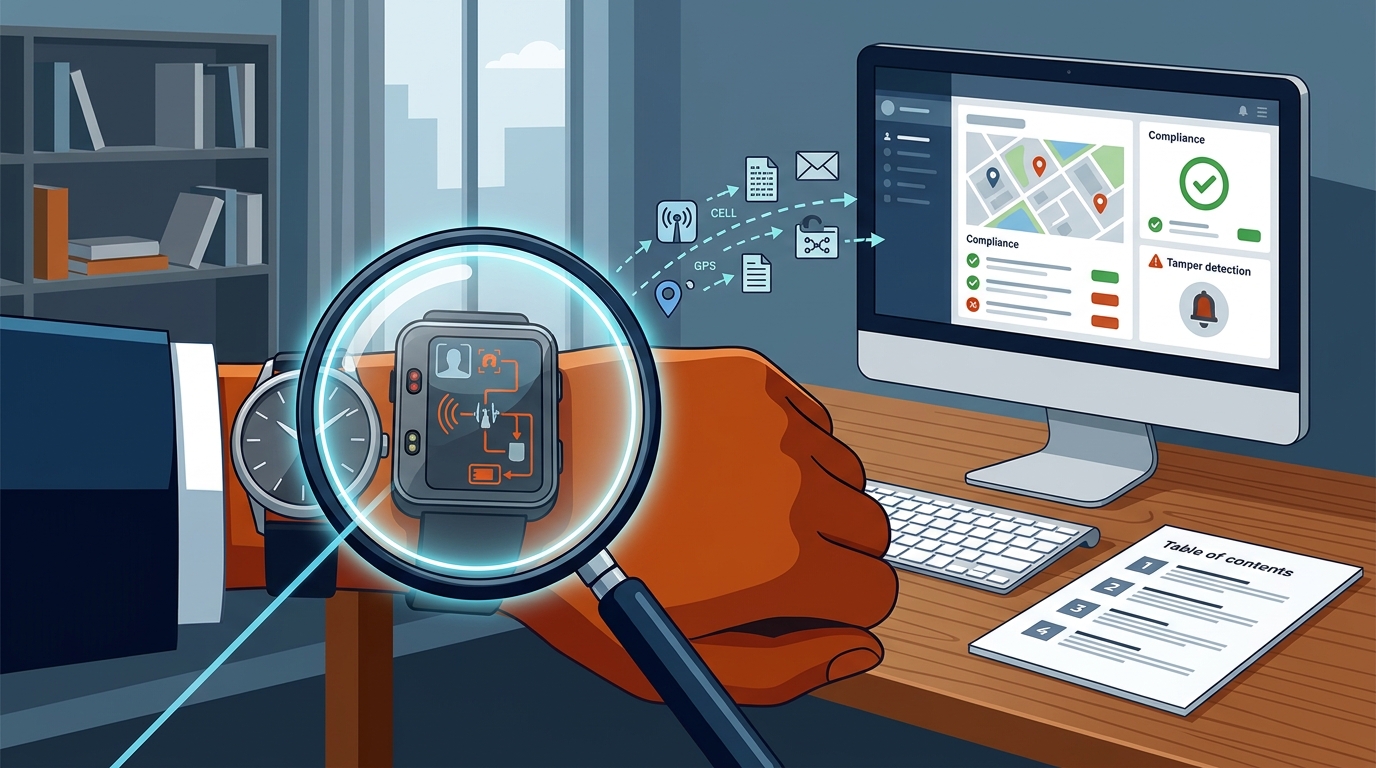
Wrist-worn monitoring devices detect tampering through a combination of biometric liveness checks, proximity sensors, and high-frequency pursuit modes. These systems prevent cheating by requiring continuous identity verification and immediate alerts when the device is removed or obstructed. JSG Monitoring provides these advanced tools to ensure reliable compliance for community supervision programs.
Biometric Verification and Liveness Detection
Modern wrist-worn devices rely heavily on biometric data to confirm the wearer's identity. Biometric facial comparison is a core feature that ensures the person wearing the device is the authorized individual. This technology uses high-resolution cameras to capture images and compare them against a stored template. If the face does not match, the system flags a potential violation.
Furthermore, liveness detection is a critical security layer that prevents the use of photos or masks. This technology is a method that analyzes subtle movements and skin textures to confirm a living human is present. By detecting liveness, the device ensures that the wearer cannot simply hold a photo up to the camera to pass a check-in. This dual-layer approach significantly reduces the risk of identity spoofing.
Proximity Sensors and Removal Alerts
Physical removal of the device is a common attempt to evade monitoring. To counter this, devices utilize proximity sensors that monitor the distance between the device and the body. A proximity sensor is a component that detects the presence of nearby objects without physical contact. When the device is removed from the wrist, the sensor triggers an immediate alert to the monitoring center.
These sensors work in tandem with the device's operating system to prompt a biometric check-in. If the device is removed, the system may require the wearer to re-attach it and verify their identity immediately. This rapid response mechanism ensures that any attempt to remove the device is logged and reported in real-time. The integration of hardware sensors with software alerts creates a robust defense against physical tampering.
High-Frequency Pursuit Modes
When a violation is detected, the device can enter a high-frequency pursuit mode. This mode is a state where the device increases its data transmission rate to provide continuous location updates. By sending data more frequently, the monitoring system can track the wearer's movements with greater precision. This helps officers locate the individual quickly if they attempt to flee after removing the device.
The transition to pursuit mode is often automated based on specific triggers, such as a tamper alert or a missed check-in. This ensures that the response is immediate and does not rely on manual intervention from an officer. The high-frequency data stream allows for real-time visualization of the wearer's path, providing critical evidence for enforcement actions. This feature enhances the overall effectiveness of the monitoring program by minimizing the window of opportunity for evasion.
Secure Operating Systems and Data Integrity
The software running on the device is just as important as the hardware. Secure operating systems are custom-built environments designed to protect the device from unauthorized access. A secure operating system is a software platform that restricts user modifications and ensures data integrity. This prevents the wearer from installing malicious apps or altering the device's settings to disable monitoring features.
These systems often include encryption for data transmission and storage. This ensures that the data sent to the monitoring center cannot be intercepted or tampered with. The secure environment also allows for over-the-air updates, which can patch security vulnerabilities without requiring the device to be physically serviced. This continuous improvement capability helps maintain the device's security posture over time.
JSG Monitoring's Approach to Security
JSG Monitoring offers a range of wrist-worn devices that incorporate these advanced security features. Our BI VeriWatch device, for example, uses GPS and Wi-Fi to increase location accuracy while preserving battery life. It features biometric facial comparison and liveness detection to confirm client identity. The device also includes a proximity sensor that aids in detecting device removal and prompts a biometric check-in.
By providing these tools, JSG Monitoring helps agencies maintain high standards of reliability and discretion. Our devices are designed to be comparable in size to consumer electronics, making them less conspicuous while maintaining robust security. This balance of discretion and security is essential for effective community supervision. We support agencies in Michigan and across the USA with these tailored solutions.
Key Takeaways
- Biometric facial comparison and liveness detection prevent identity spoofing and mask usage.
- Proximity sensors detect physical removal and trigger immediate alerts to monitoring centers.
- High-frequency pursuit modes provide continuous location updates when violations occur.
- Secure operating systems protect data integrity and prevent unauthorized software modifications.
- Over-the-air updates allow for continuous security improvements without physical servicing.
- JSG Monitoring provides discreet, wrist-worn devices with these advanced tamper detection features.
Frequently Asked Questions
How does liveness detection work on wrist-worn devices?
Liveness detection analyzes subtle movements and skin textures to confirm a living human is present, preventing the use of photos or masks.
What happens if a device is removed from the wrist?
Proximity sensors detect the removal and trigger an immediate alert. The system may also prompt a biometric check-in to verify identity.
Can offenders hack the device's software?
No, the devices run on secure, custom operating systems that restrict user modifications and protect data integrity.
Do wrist-worn devices use GPS for tracking?
Yes, they use GPS and Wi-Fi to provide accurate location tracking and preserve battery life.
How does JSG Monitoring support agencies with these devices?
JSG Monitoring provides tailored equipment solutions, training, and seamless integration with proven monitoring programs.
Are these devices discreet?
Yes, they are designed to be comparable in size to consumer smartwatches, offering discretion while maintaining robust security.
Conclusion
Wrist-worn monitoring devices use a multi-layered approach to detect tampering and prevent cheating. By combining biometric verification, proximity sensors, and secure software, these tools provide reliable compliance for community supervision. JSG Monitoring is committed to providing these advanced solutions to enhance public safety and accountability. To learn more about our products, .