

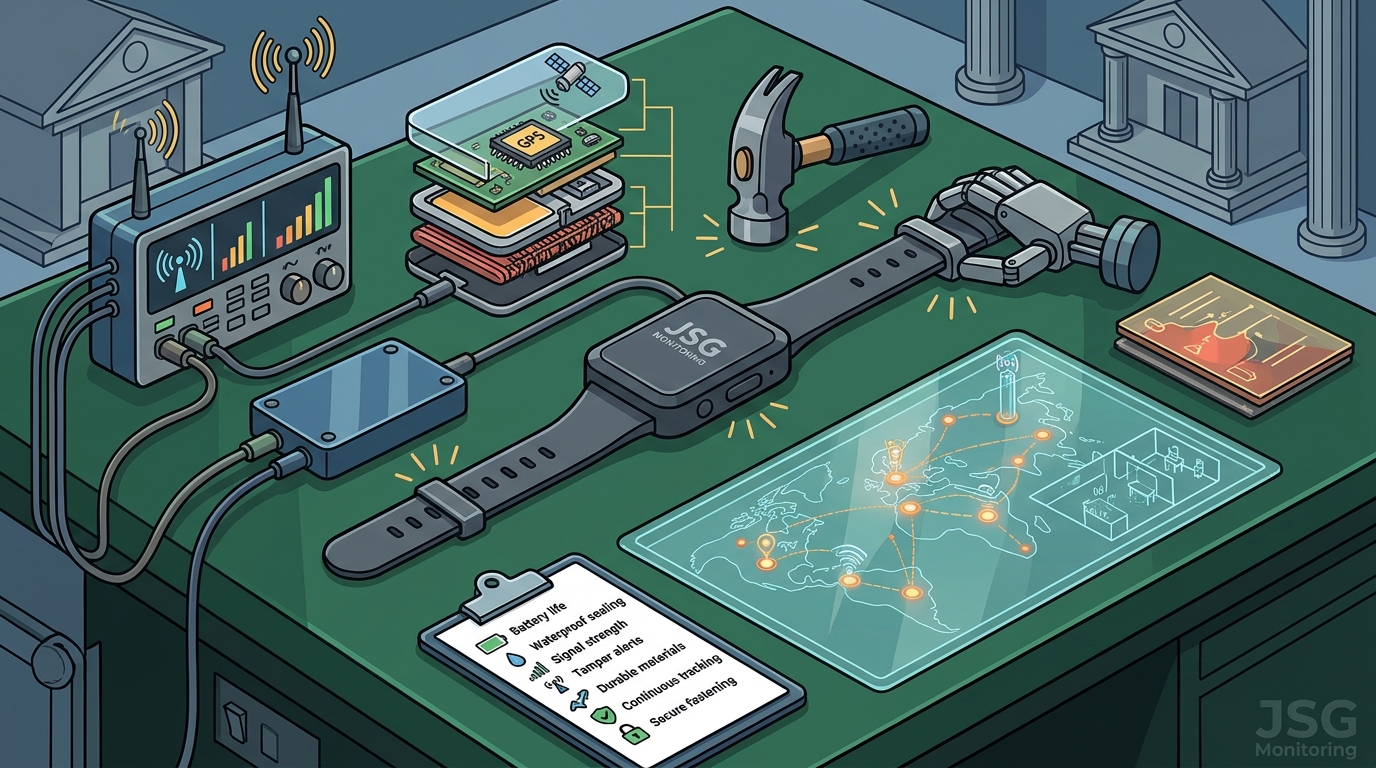
Courts and probation departments evaluate electronic monitoring devices based on consistent data transmission, tamper detection, and operational durability. JSG Monitoring supplies these critical hardware components to agencies seeking dependable oversight tools. This listicle outlines the specific reliability metrics that judicial and correctional professionals prioritize when selecting monitoring equipment. according to Probation Services Montgomery
1. Tamper Detection Integrity
Agencies require immediate and accurate alerts for any device removal or interference. Tamper detection is the primary safety mechanism in electronic monitoring. Courts rely on these alerts to enforce compliance and ensure public safety. JSG Monitoring devices feature robust tamper detection systems that trigger instant notifications to monitoring centers. This immediate feedback loop allows officers to respond to violations without delay.
2. Signal Coverage and Connectivity
Reliable tracking requires consistent connectivity across urban, rural, and indoor environments. Electronic monitoring is a continuous process that depends on stable data links. Devices must maintain communication even in areas with poor cellular reception. JSG Monitoring utilizes GPS, Wi-Fi, and cellular technology to ensure complete community coverage. This multi-network approach minimizes tracking gaps and ensures accurate location data.
3. Battery Life and Power Management
Long battery life reduces administrative burden and ensures uninterrupted monitoring. Frequent charging requirements can lead to compliance issues and increased staff workload. Probation departments prefer devices with extended battery life to minimize interruptions. The BI VeriWatch offers up to 16 hours of battery life on a single charge, with extended options available. This efficiency supports consistent oversight without excessive maintenance demands.
4. Identity Verification Accuracy
Automated identity confirmation prevents proxy testing and ensures data integrity. Courts need assurance that the monitored individual is the one interacting with the device. Facial recognition technology provides a secure method for verifying identity during testing. The BI SL3 features Adaptive Facial Recognition to confirm user identity in real-time. This technology reduces the need for manual photo reviews and enhances the reliability of alcohol monitoring data.
5. Data Transmission Latency
Real-time data transmission enables prompt decision-making by monitoring officers. Low latency is critical for responding to zone breaches or curfew violations. Agencies require devices that transmit location and status data instantly. JSG Monitoring devices use LTE technology to ensure rapid data delivery to secure web portals. This immediacy allows for timely interventions and improved case management.
6. Physical Durability and Comfort
Durable, comfortable devices promote compliance and reduce false alerts. Offenders are more likely to comply with monitoring conditions if the device is comfortable and discreet. JSG Monitoring designs low-profile ankle bracelets and wrist-worn devices that resemble consumer electronics. These devices are built to withstand daily wear and tear while maintaining a secure fit. Comfortable hardware reduces the likelihood of removal attempts and improves the overall monitoring experience.
7. Software Integration Stability
Seamless integration with existing case management systems ensures operational efficiency. Courts and probation departments use various software platforms for case management. Monitoring devices must integrate smoothly with these systems to provide actionable insights. JSG Monitoring products offer seamless software integration, allowing agencies to visualize and monitor offender movements in real time. This compatibility ensures that monitoring data is easily accessible and usable for decision-making.
Choosing the Right Reliability Profile
When selecting electronic monitoring devices, agencies should prioritize the specific reliability factors most relevant to their caseload. High-risk cases may require robust tamper detection and real-time data transmission, while lower-risk cases may benefit from comfortable, discreet devices with extended battery life. JSG Monitoring offers a range of solutions tailored to different monitoring needs, ensuring that agencies can choose the right hardware for their specific programs.
Frequently Asked Questions
What is the most important reliability factor for electronic monitoring devices?
Tamper detection integrity is often considered the most critical factor, as it directly impacts public safety and compliance enforcement.
How does JSG Monitoring ensure signal coverage in remote areas?
JSG Monitoring devices use a combination of GPS, Wi-Fi, and cellular technology to maintain connectivity even in areas with poor reception.
What is the battery life of the BI VeriWatch device?
The BI VeriWatch offers up to 16 hours of battery life on a single charge, with up to 24 hours when paired with a portable transfer battery.
How does facial recognition enhance monitoring reliability?
Facial recognition technology verifies the identity of the monitored individual in real-time, preventing proxy testing and ensuring data integrity.
Can JSG Monitoring devices integrate with existing court software?
Yes, JSG Monitoring products are designed for seamless integration with various case management and monitoring software platforms.
Conclusion
Courts and probation departments rely on electronic monitoring devices that offer consistent, accurate, and secure oversight. JSG Monitoring provides a comprehensive suite of hardware solutions designed to meet these rigorous reliability standards. By focusing on tamper detection, signal coverage, and software integration, JSG Monitoring helps agencies enhance public safety and streamline operations. To explore how these reliability factors apply to your specific monitoring program, for a tailored consultation.