

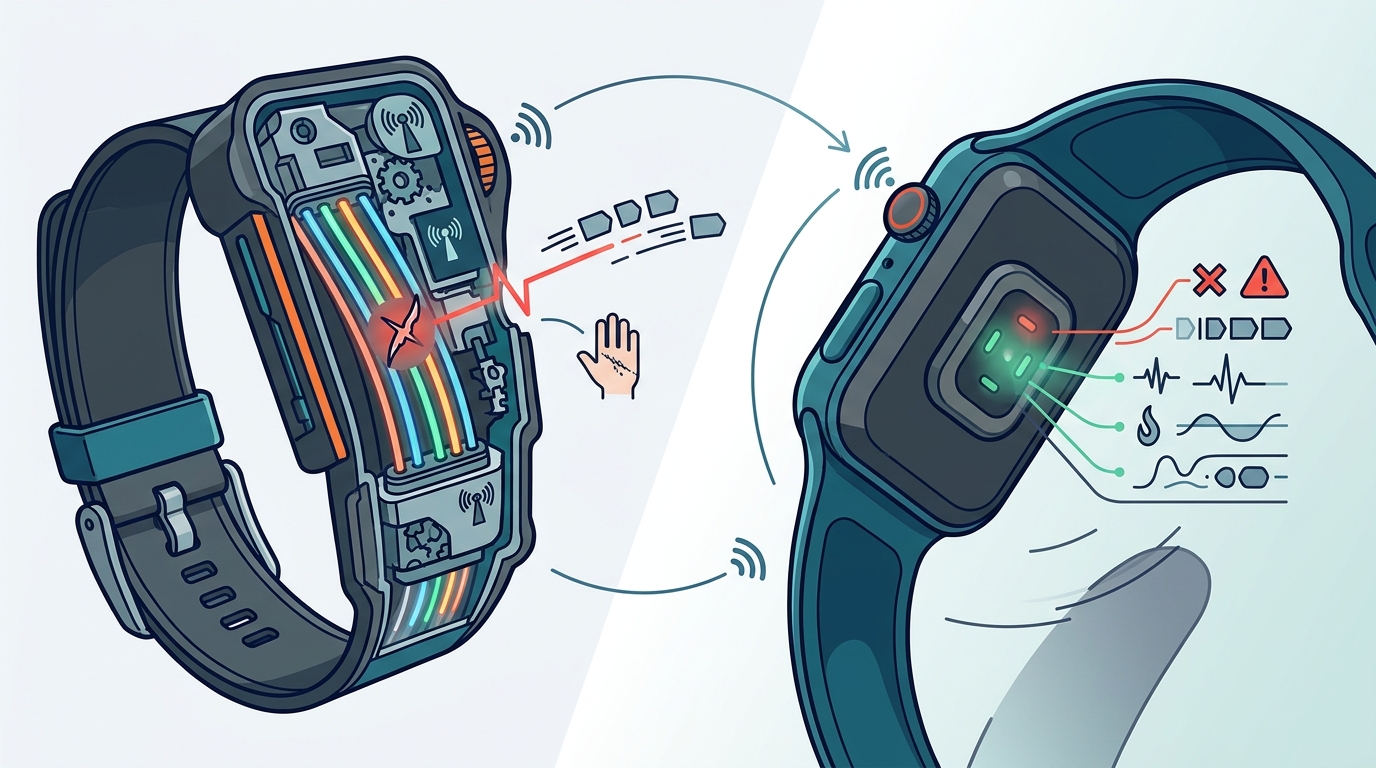
Modern court monitoring devices use multi-layered security features to prevent tampering, including fiber-optic straps, biometric liveness detection, and real-time cellular alerts. These systems ensure that any attempt to remove or bypass the device triggers an immediate notification to supervising officers. By combining hardware durability with software verification, agencies can maintain continuous oversight without relying solely on physical checks.
Tamper Detection Mechanisms
Physical tamper detection is the first line of defense in electronic monitoring. A tamper detection system is a set of sensors and circuits designed to identify unauthorized removal or damage to the device. Traditional metal straps have largely been replaced by more sophisticated materials that are difficult to cut without triggering an alarm.
Many modern ankle monitors, such as the Omnilink GPS, utilize a cut-free, fiber optic strap. This design prevents false alerts caused by normal wear and tear while ensuring that any attempt to sever the strap is detected instantly. The device sends a high-priority alert to the monitoring center the moment the integrity of the strap is compromised.
Additionally, robust tamper detection features ensure immediate alerts in case of tampering attempts, enhancing security and accountability. For devices like the BI LOC8 XT, tamper detection is integrated with location tracking, so a tamper event is always associated with a specific geographic coordinate. This context helps officers determine if the removal was accidental or intentional.
Biometric Verification and Identity
Physical security alone is not enough if a different person can use the device. Biometric verification is the process of confirming the identity of the individual wearing the device using unique biological traits. This prevents offenders from passing the device to another person to fake compliance.
Advanced devices now incorporate facial recognition and liveness detection. The SCRAM Remote Breath uses Adaptive Facial Recognition to verify the identity of the individual in real-time during every test. This system uses high-resolution images and government-grade security software to ensure that the person blowing into the device is the authorized client.
Wrist-worn devices like the BI VeriWatch also employ biometric facial comparison and liveness detection. If the device is removed, a proximity sensor prompts a biometric check-in. If the face does not match the registered profile, or if the system detects a photo rather than a live person, an alert is generated. This layer of security is critical for maintaining the integrity of the monitoring data.
Connectivity and Data Integrity
Reliable communication is essential for real-time monitoring. Secure connectivity is the use of encrypted cellular and wireless networks to transmit data from the device to the monitoring platform. This ensures that data cannot be intercepted or altered in transit.
Modern devices utilize LTE and 3G cellular technology for long-range communication. The BI SL3 portable breathalyzer uses dependable LTE technology to transmit real-time BAC results to a secure web portal. This ensures that data is transmitted even in remote locations where Wi-Fi might be unavailable.
Furthermore, over-the-air updates allow agencies to patch security vulnerabilities without physically retrieving the device. The BI LOC8 XT supports over-the-air firmware updates, ensuring the device remains up to date with the latest security protocols. This reduces downtime and operational costs while maintaining a high standard of data integrity.
Device Design and Durability
Physical durability is a key component of tamper prevention. A tamper-resistant design is a hardware configuration that withstands physical stress, environmental exposure, and attempts at disassembly. Devices must be built to last in various conditions, from indoor homes to outdoor environments.
Waterproof and submersible designs are standard in modern monitoring equipment. The Omnilink GPS features a waterproof and submersible design, ensuring it performs under any conditions. This durability prevents offenders from damaging the device by submerging it in water or exposing it to extreme weather.
Discreet form factors also play a role in compliance. The Buddi Insight smart tag is lightweight, waterproof, and tamper-proof. Its low-profile design makes it less noticeable, which can improve client compliance. However, its proprietary non-removable strap ensures that despite its discreet appearance, it cannot be easily removed without triggering an alert.
Key Takeaways
- Fiber-optic straps replace traditional metal bands to reduce false alerts while detecting cuts.
- Biometric facial recognition and liveness detection prevent identity fraud during testing.
- Encrypted cellular connectivity ensures data integrity and real-time alert transmission.
- Over-the-air updates allow for continuous security patching without physical device retrieval.
- Waterproof and submersible designs protect devices from environmental damage and tampering.
- Discreet device designs improve compliance but remain secured by non-removable straps.
Frequently Asked Questions
How do fiber-optic straps prevent tampering?
Fiber-optic straps detect changes in light transmission. If the strap is cut or damaged, the light signal is interrupted, triggering an immediate alert to the monitoring center.
What is liveness detection in monitoring devices?
Liveness detection is a technology that verifies a live human face is present, preventing the use of photos or masks to bypass biometric checks.
Can monitoring devices be hacked?
Modern devices use encrypted communication and secure operating systems to prevent unauthorized access. Over-the-air updates help patch any potential vulnerabilities quickly.
Do wrist-worn devices offer the same security as ankle monitors?
Yes, wrist-worn devices like the BI VeriWatch use similar GPS and biometric security features, providing reliable real-time monitoring comparable to ankle-worn technology.
How do agencies handle false tamper alerts?
Agencies use context from location data and biometric checks to distinguish between accidental damage and intentional tampering. Fiber-optic straps help reduce false alerts from normal wear.
What role does cellular connectivity play in security?
Cellular connectivity allows for real-time data transmission and remote configuration. It ensures that alerts are sent immediately and that devices can be updated securely.
Partnering for Secure Monitoring
Implementing these security features requires a partner that understands the complexities of electronic monitoring. JSG Monitoring provides tailored solutions and expert guidance to help agencies select the right equipment for their specific needs. By focusing on innovation and reliable technology, JSG Monitoring helps courts and law enforcement enhance public safety and streamline operations. To discuss how these security features can be integrated into your program, reach out to the JSG Monitoring team today.