
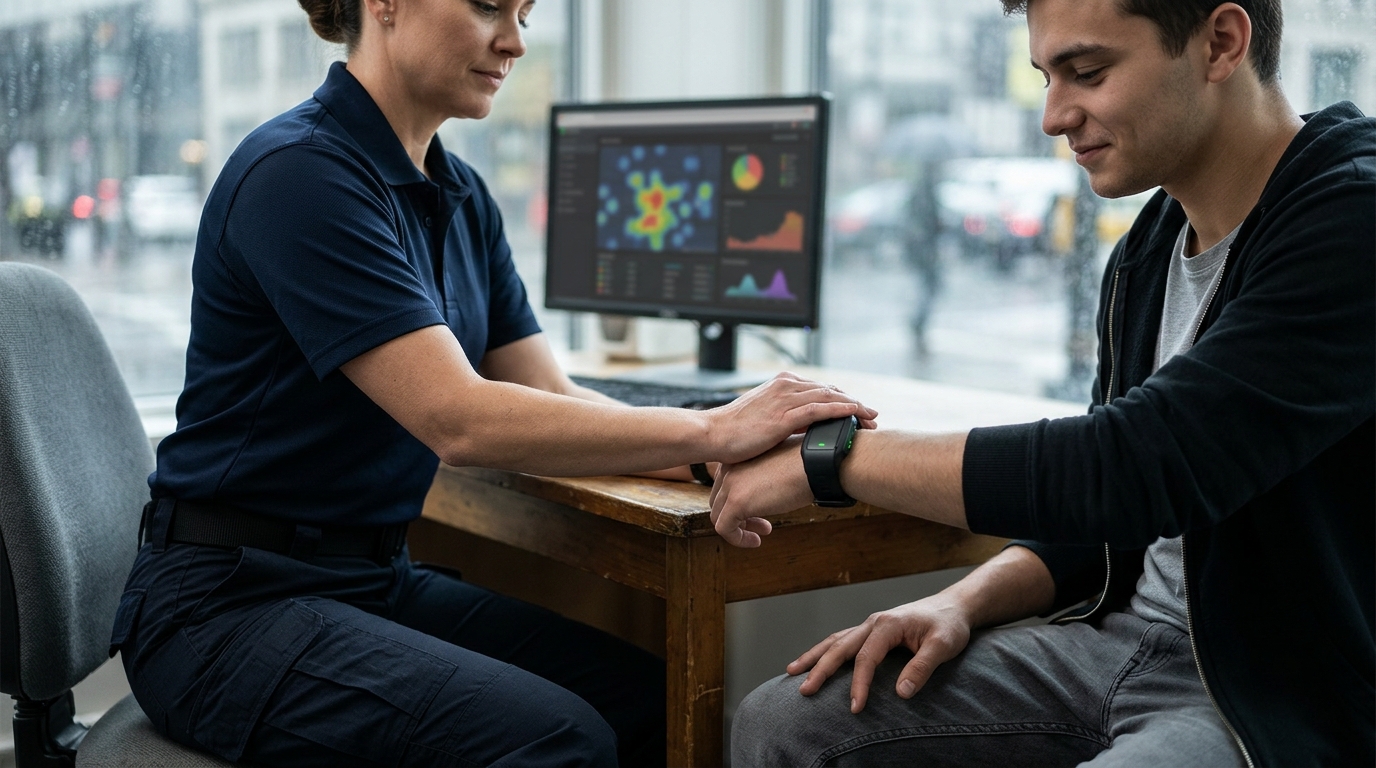
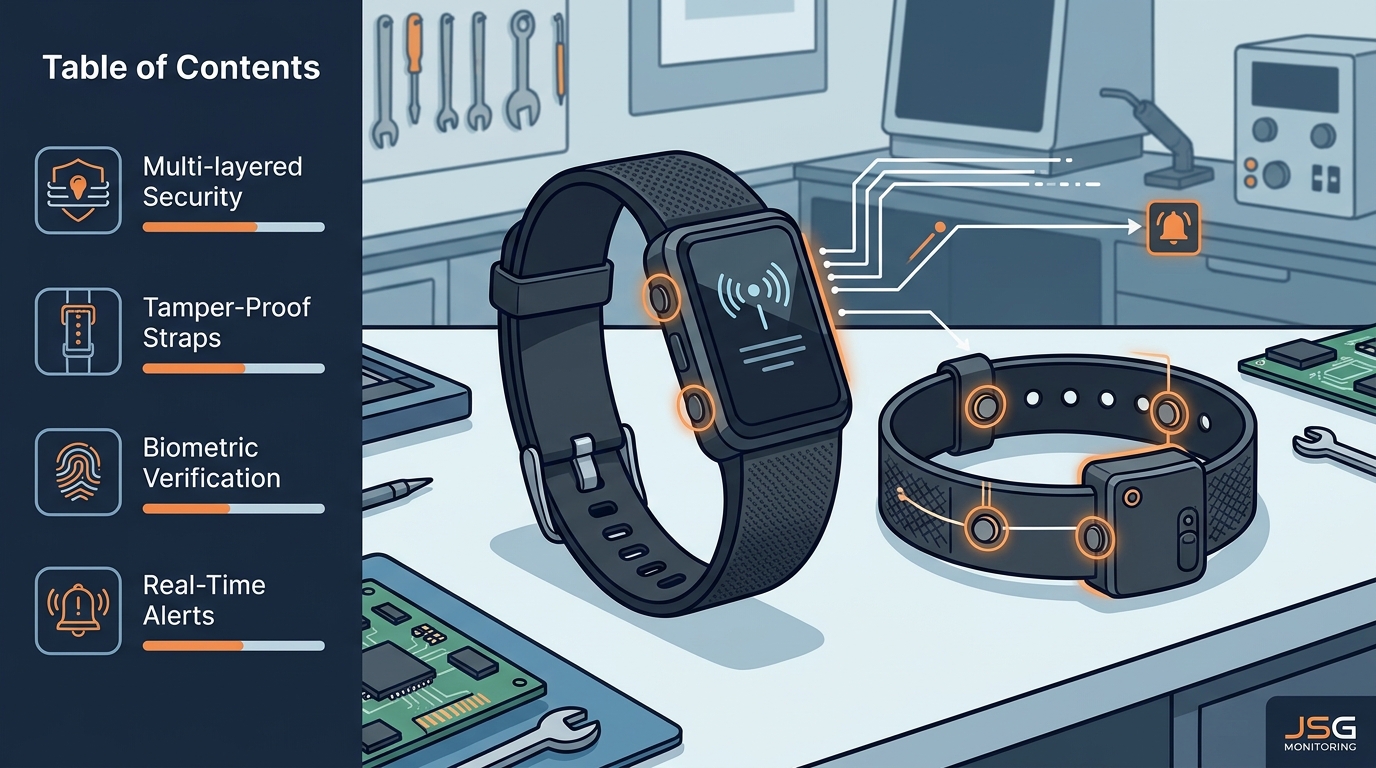
Modern electronic monitoring devices are difficult to tamper with because they use multi-layered physical and digital security features. These include tamper-proof straps, biometric verification, and real-time alert systems. JSG Monitoring integrates these advanced technologies to ensure that any attempt to remove or disable a device triggers immediate notifications to supervising agencies.
The Evolution of Physical Security
Early electronic monitoring relied on simple metal bands that could be cut with standard tools. Today, the industry has moved toward advanced materials and engineering. Tamper resistance is a design principle that ensures a device cannot be removed without leaving a permanent, detectable trace. This shift has fundamentally changed how agencies manage compliance. according to Breeding Herd Automated
For example, the Omnilink GPS uses a cut-free, fiber optic strap. This design prevents false alerts caused by minor snags while ensuring that a deliberate cut triggers an immediate signal. The device is also waterproof and submersible, making it durable against environmental stress. This level of physical robustness means that offenders cannot simply discard the device in water or weather to avoid detection.
The implication for agencies is a significant reduction in administrative burden. When a device is truly tamper-proof, officers spend less time investigating false alarms and more time focusing on genuine compliance issues. This efficiency is critical for courts and probation offices managing large caseloads.
Biometric Verification and Identity Lock
Physical security is only one layer of protection. Modern devices also use biometric data to ensure the correct person is wearing the monitor. Biometric verification is a security method that uses unique physical characteristics, such as facial features, to confirm identity. This prevents offenders from passing the device to another person to bypass monitoring.
The BI SL3 portable alcohol breathalyzer features Adaptive Facial Recognition. This technology captures high-resolution images during each test and compares them to a baseline. If the face does not match, the system flags the test as invalid. Similarly, the SCRAM Remote Breath uses automated facial recognition for every breath test. This ensures that the individual taking the test is the one assigned to the program.
For supervising officers, this means higher confidence in the data they receive. They no longer need to manually review photos to verify identity. The system handles this verification in real-time, streamlining the monitoring process and reducing staff workload. This is particularly useful for agencies managing high-volume alcohol monitoring programs.
Real-Time Alerts and Connectivity
Even if a device is physically secure, it must communicate its status to the monitoring center. Real-time alerting is a system that instantly notifies authorities when a device detects tampering, removal, or a violation. This connectivity is the backbone of modern electronic monitoring.
The BI LOC8 XT uses GPS, Wi-Fi, and cellular technology to maintain constant connectivity. It includes robust tamper detection features that send immediate alerts if the device is interfered with. The device also supports over-the-air firmware updates, ensuring it remains secure against emerging threats without requiring physical servicing. This remote management capability is a key component of modern tamper resistance.
The implication is that agencies can respond to violations quickly. Rapid response is crucial for maintaining public safety and enforcing court orders. By using devices with reliable connectivity, courts can ensure that offenders are held accountable in real-time, rather than discovering violations days later.
Software Integration and Data Integrity
Hardware security is supported by software that manages and analyzes the data. Data integrity is the assurance that information collected by a device is accurate, complete, and unaltered. This is essential for using monitoring data in legal proceedings.
The SCRAM GPS integrates with the SCRAM Systems platform, which provides GPS Analytics and Google Street View mapping. This software puts location data into context, allowing officers to visualize movements and identify patterns. The platform also ensures that data is stored securely and cannot be easily manipulated. This level of software integration enhances the reliability of the monitoring evidence.
For courts, this means that monitoring data is admissible and credible. When data is secure and verifiable, it strengthens the legal process. Agencies can use this data to make informed decisions about offender supervision, treatment, and release. This supports the broader goal of reducing recidivism and enhancing community safety.
Key Takeaways
- Modern devices use cut-free, fiber optic straps to prevent removal without detection.
- Biometric verification, such as facial recognition, ensures the correct person is being monitored.
- Real-time alerts notify agencies immediately when tampering or violations occur.
- Software platforms like SCRAM Systems provide data integrity and contextual mapping.
- Waterproof and durable designs protect devices from environmental damage and disposal attempts.
- Over-the-air updates keep devices secure against new threats without physical servicing.
- These features reduce administrative burden and improve the efficiency of community supervision.
Frequently Asked Questions
Can offenders cut off modern monitoring devices?
Most modern devices use cut-free straps that detect when they are severed. If a strap is cut, the device sends an immediate alert to the monitoring center. This makes it very difficult to remove the device without being detected.
How does facial recognition prevent tampering?
Facial recognition verifies that the person taking a test or wearing the device is the assigned offender. If the face does not match the baseline, the system flags the event as a potential tampering attempt or violation.
Do devices work in areas with poor cell service?
Many devices use multiple connectivity options, including GPS, Wi-Fi, and cellular technology. This ensures that they can maintain communication even in areas with poor cell coverage. Some devices also have power-saving modes to extend battery life.
How often are devices updated for security?
Devices can receive over-the-air firmware updates. This allows manufacturers to patch security vulnerabilities and add new features without requiring the device to be physically serviced. This ensures that the device remains secure over time.
Is the data from these devices admissible in court?
Yes, data from modern monitoring devices is generally admissible in court. The devices use secure software platforms that ensure data integrity and prevent tampering. This makes the data reliable for legal proceedings.
What happens if a device is removed?
If a device is removed, it sends an immediate alert to the monitoring center. The agency can then take appropriate action, such as contacting the offender or issuing a warrant. The device may also continue to transmit its last known location.
Conclusion
Modern electronic monitoring devices are difficult to tamper with due to a combination of physical, biometric, and digital security features. These technologies ensure that offenders are held accountable and that agencies can respond quickly to violations. JSG Monitoring provides a range of devices that incorporate these advanced features, supporting effective community supervision and public safety. To learn more about how these solutions can benefit your agency, .