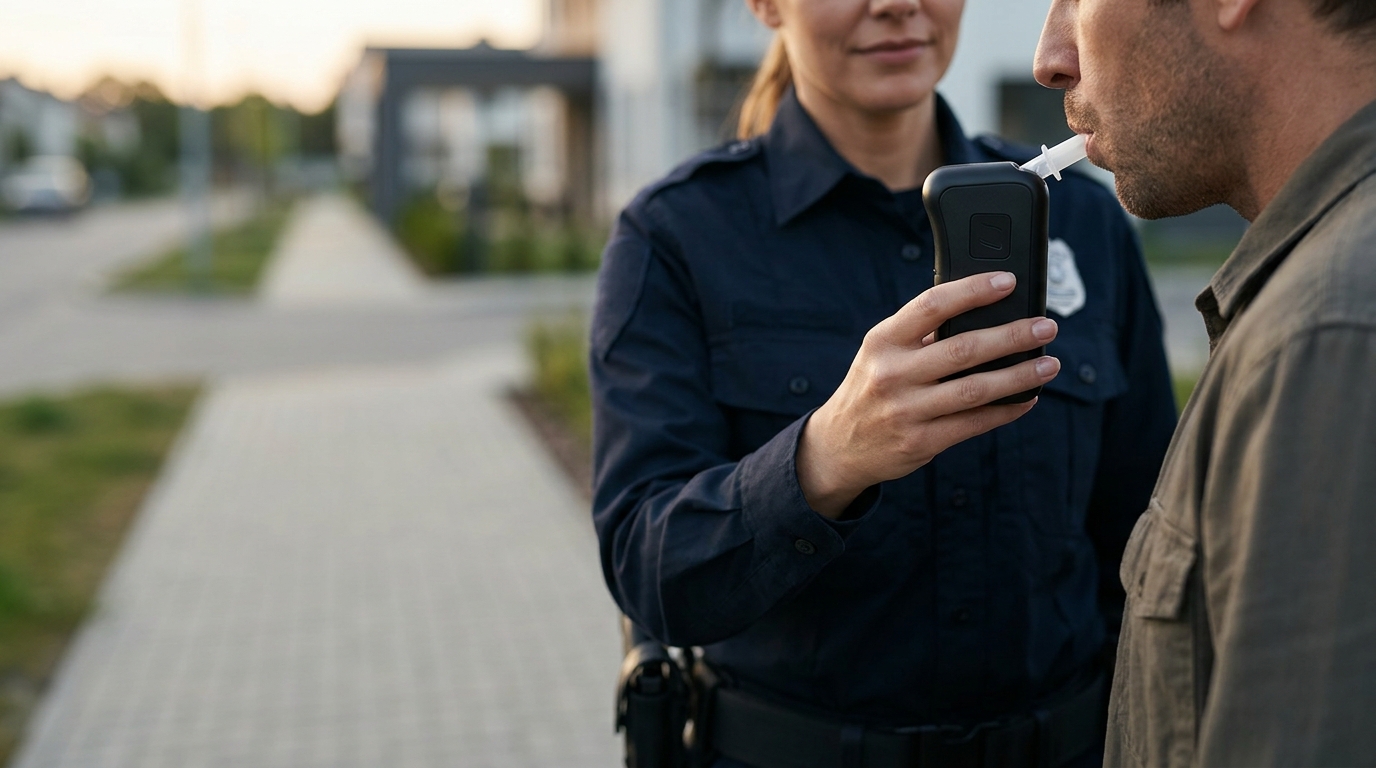
When selecting portable breathalyzers for field alcohol compliance, the best options are those that combine automated facial recognition with GPS location tracking to ensure identity verification and data integrity. JSG Monitoring provides these advanced tools, such as the BI SL3 and SCRAM Remote Breath, which eliminate manual verification errors and streamline supervision workflows for courts and law enforcement agencies.
The Critical Role of Identity Verification in Remote Testing
Traditional breath testing in the field often suffers from identity fraud, where a third party blows into the device on behalf of the offender. Automated facial recognition is a biometric security feature that uses computer vision to verify the identity of the individual taking the test in real-time. This technology is essential for maintaining the integrity of court-ordered monitoring programs.
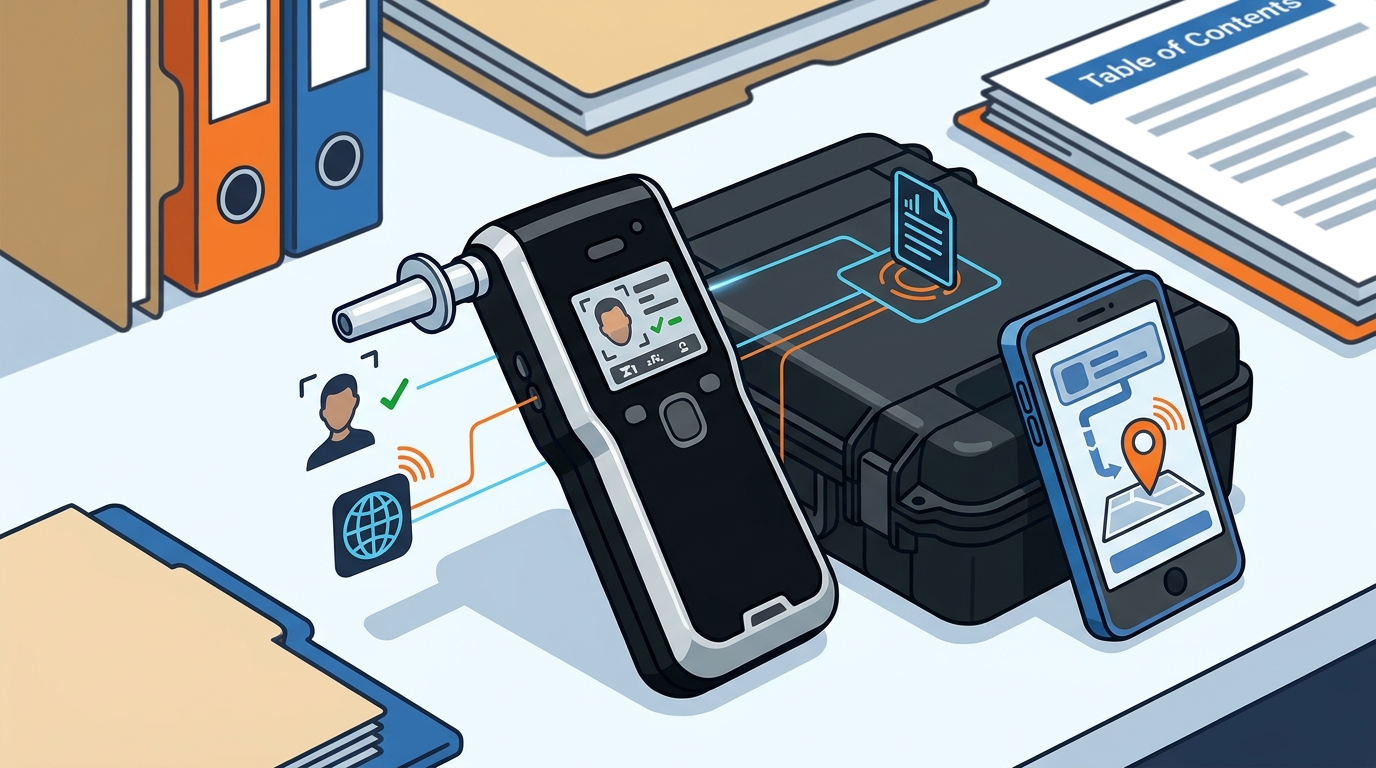
Without biometric confirmation, agencies face the burden of manually reviewing photos or relying on self-reported data, which is prone to error and manipulation. The BI SL3 Portable Alcohol Breathalyzer addresses this by integrating Adaptive Facial Recognition with GPS. This ensures that the person blowing into the device is the same person registered in the system. For monitoring officers, this means fewer false positives and a significant reduction in administrative workload.
The implication for public safety is clear: reliable identity verification ensures that the data collected is accurate and admissible in court. When an agency can prove that the offender personally completed the test, the monitoring program becomes a more effective tool for rehabilitation and compliance.
GPS Integration and Location Data Integrity
Location data is a secondary but critical layer of verification in portable alcohol monitoring. GPS location tracking is a technology that records the geographic coordinates of a device at the time of a test, providing context for the offender's whereabouts. In field scenarios, this data helps officers verify that the test was taken in an authorized location or during an approved time window.
For example, if an offender is subject to a curfew or exclusion zone, the GPS data from the breathalyzer can confirm whether they were in a prohibited area when the test was administered. The SCRAM Remote Breath device combines this GPS data with fuel cell technology to provide a comprehensive compliance record. This dual-layer approach (biometric and geographic) creates a robust audit trail that is difficult to falsify.
Agencies using these devices can quickly identify patterns of non-compliance, such as tests taken from a vehicle or in a restricted zone. This allows for timely intervention and supports the goal of reducing recidivism by ensuring that offenders adhere to all conditions of their release.
Hardware Durability and Connectivity in Field Environments
Field monitoring devices must withstand the rigors of daily use in various environments. Durable hardware design is an engineering standard that ensures electronic devices can resist physical impact, moisture, and temperature fluctuations. Portable breathalyzers are often carried by offenders or used in outdoor settings, making durability a key factor in long-term reliability.
The BI SL3 features a rugged construction built specifically for corrections environments. It also utilizes LTE technology to ensure reliable data transmission, even in areas with poor connectivity. This is crucial for real-time monitoring, as agencies need immediate access to test results to respond to violations. A device that fails to transmit data due to connectivity issues can create gaps in the monitoring record, undermining the program's effectiveness.
Furthermore, the charging system must be convenient for the user. The BI SL3 offers a reliable and convenient charging system that supports daily operations without requiring frequent visits to a testing center. This ease of use encourages compliance and reduces the friction associated with monitoring, which is a common barrier for offenders.
Software Integration and Operational Efficiency
The value of a portable breathalyzer is maximized when it integrates seamlessly with existing monitoring software. Cloud-based software integration is a system architecture that allows hardware devices to transmit data directly to a central platform for analysis and reporting. This eliminates the need for manual data entry and reduces the risk of human error.
JSG Monitoring offers seamless integration with proven monitoring programs operated by trusted supplier partners. The data from devices like the BI SL3 is transmitted to a secure web portal where officers can view real-time BAC results and compliance reports. This centralized view allows agencies to manage large caseloads efficiently, focusing their resources on high-risk cases. The software also supports scheduled, random, and on-demand testing, providing the flexibility needed to meet diverse program requirements.
By automating the data collection and reporting process, agencies can improve resource allocation and enhance overall operational efficiency. This allows law enforcement and court personnel to focus on higher-priority tasks while relying on automated, reliable monitoring systems to handle routine compliance checks.
Key Takeaways
- Facial recognition is essential for preventing identity fraud in remote alcohol testing.
- GPS tracking provides location context that verifies compliance with curfews and exclusion zones.
- Durable, rugged hardware ensures reliability in field environments and reduces maintenance costs.
- LTE connectivity enables real-time data transmission for immediate response to violations.
- Cloud-based software integration streamlines reporting and reduces administrative workload for officers.
- Flexible testing options (scheduled, random, on-demand) support diverse monitoring program needs.
Frequently Asked Questions
What is the difference between a portable breathalyzer and a continuous monitoring bracelet?
A portable breathalyzer is a handheld device used for discrete, on-demand or scheduled breath tests, while a continuous monitoring bracelet provides 24/7 transdermal alcohol testing. Portable devices are often used for lower-risk offenders or as a supplement to continuous monitoring.
How does facial recognition prevent fraud in alcohol testing?
Facial recognition uses computer vision to compare the face of the person taking the test with a registered image. If the faces do not match, the test is flagged as invalid, preventing a third party from blowing into the device on behalf of the offender.
Can portable breathalyzers work in areas with poor cell service?
Most modern devices use LTE technology, which provides better coverage than older 3G networks. However, connectivity can still be an issue in remote areas. Devices with robust data storage can store results locally and transmit them once a connection is re-established.
What is the battery life of a portable breathalyzer?
Battery life varies by model, but most portable breathalyzers are designed for daily use with convenient charging systems. The BI SL3, for example, features a reliable charging system that supports daily operations without requiring frequent recharges.
How do agencies integrate portable breathalyzer data into their software?
Agencies use cloud-based software platforms that receive data directly from the devices via cellular connectivity. This allows for real-time monitoring and automated reporting, reducing the need for manual data entry.
Are portable breathalyzers suitable for all types of alcohol offenders?
Portable breathalyzers are ideal for lower-risk offenders or those who have earned less intensive supervision. For high-risk offenders with alcohol dependence, continuous monitoring bracelets may be more appropriate to eliminate testing gaps.