
Modern alcohol monitoring technology is a suite of electronic devices and software platforms that verify abstinence and location in real time. For correctional programs, these tools replace manual check-ins with continuous, data-driven oversight. JSG Monitoring provides these solutions to help agencies enhance compliance and public safety through precise, tamper-resistant hardware.
The Shift from Scheduled to Continuous Testing
Traditional breath testing relies on scheduled appointments, creating gaps where offenders can manipulate their behavior. Continuous Alcohol Monitoring (CAM) is a method that detects alcohol consumption through transdermal sensors over a 24/7 period. This approach eliminates the ability to skip tests or time drinking around appointments. The SCRAM Continuous bracelet, for example, provides consistent results regardless of the client's location, ensuring that monitoring does not pause when the wearer leaves a testing center.
The implication for programs is a significant reduction in administrative burden. Officers no longer need to coordinate transportation or manage strict schedules for every test. Instead, they receive automated data that reflects actual behavior. This shift allows agencies to focus resources on higher-risk cases while maintaining rigorous oversight for all participants.
Identity Verification and Bio-Confirmation
A critical challenge in remote monitoring is ensuring the person taking the test is the assigned offender. Facial recognition is a biometric technology that uses camera data to verify identity during each test. Devices like the BI SL3 and SCRAM Remote Breath integrate this technology to prevent proxy testing. When a client blows into the device, the system captures a high-resolution image and compares it to a baseline profile.
This feature is essential for maintaining the integrity of the data. Without bio-confirmation, a program cannot trust that the BAC results belong to the monitored individual. JSG Monitoring emphasizes this layer of security to ensure that agencies receive accurate, actionable evidence. The technology reduces the need for manual photo reviews, saving staff time while increasing the reliability of the monitoring record.
Location Data and Contextual Awareness
Alcohol monitoring is rarely about BAC alone; it is also about where the offender is when they drink. GPS integration is a location tracking feature that records the precise coordinates of every test. This data provides context that a simple BAC reading cannot. For instance, if a test shows a positive BAC while the device is located in a restricted zone, the system can flag a violation immediately.
Programs benefit from this contextual awareness by being able to tailor interventions. Officers can see patterns in behavior, such as frequent visits to high-risk areas. The SCRAM GPS and BI LOC8 XT devices offer this level of detail, allowing for more nuanced supervision. This data helps in making informed decisions about case management and potential violations.
Device Durability and Operational Reliability
Correctional environments are demanding, and monitoring devices must withstand daily use. Tamper detection is a security feature that alerts monitoring centers when a device is removed or damaged. Modern devices use fiber-optic straps and robust enclosures to prevent false alerts while ensuring immediate notification of actual tampering. The OM500, for example, features a cut-free strap that reduces administrative noise from minor issues.
Reliability is also about connectivity. Devices use LTE and cellular technology to transmit data in real time, even in remote areas. This ensures that agencies receive alerts without delay. JSG Monitoring selects products that prioritize durability and connectivity to minimize downtime and operational disruptions. A reliable device is a cornerstone of a successful monitoring program.
Integration with Case Management Software
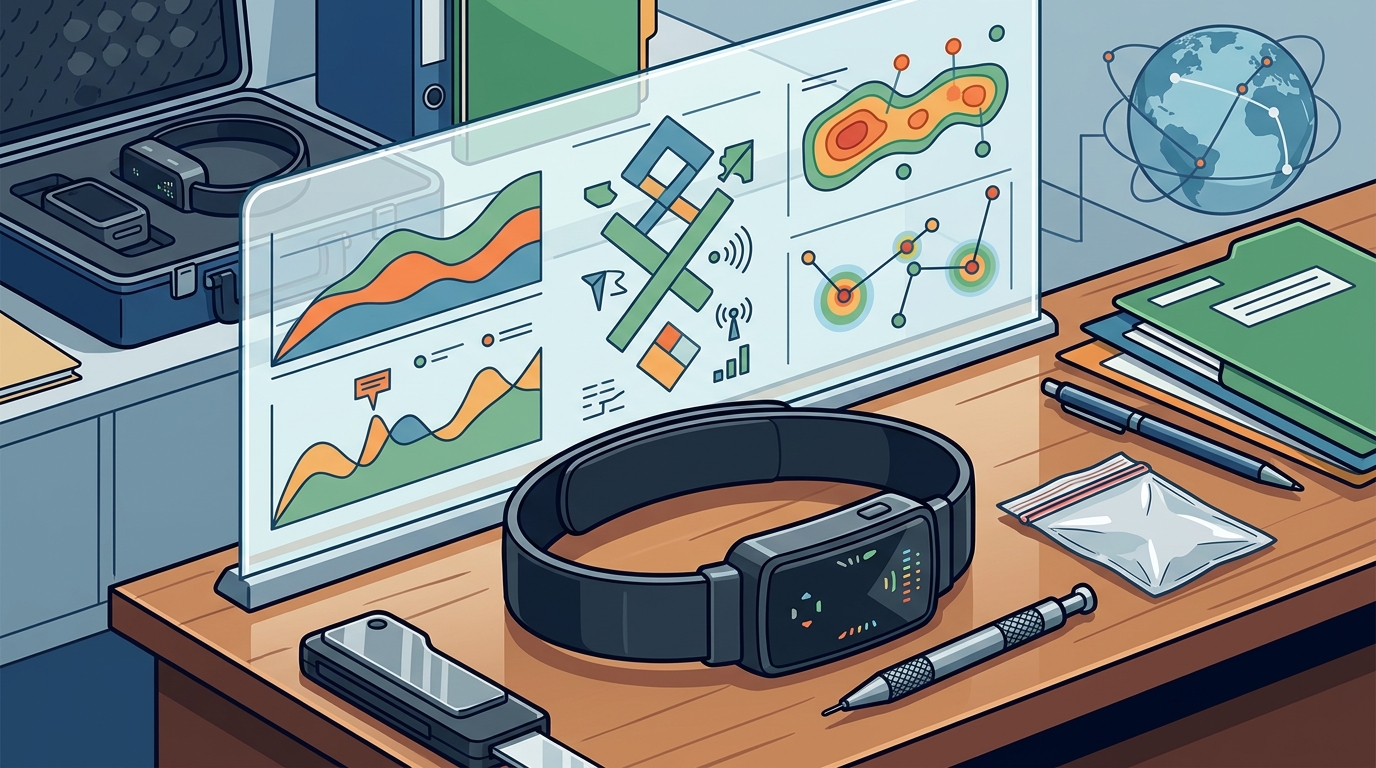
Standalone devices are less effective than those integrated into a broader software ecosystem. Platform integration is the process of connecting hardware data to a central case management system. This allows officers to view alcohol monitoring data alongside other case details, such as GPS history and court orders. The FocalPoint and SCRAM Systems platforms provide this seamless integration, creating a unified view of the offender's compliance.
This integration streamlines workflow and improves decision-making. Officers can access all relevant data in one place, reducing the need to switch between multiple systems. JSG Monitoring supports this integration to ensure that agencies can leverage the full potential of their technology. A well-integrated system is key to efficient and effective offender management.
Key Takeaways
- Continuous monitoring eliminates testing gaps and provides 24/7 oversight.
- Facial recognition ensures that test results are attributed to the correct individual.
- GPS data adds context to BAC readings, revealing location-based violations.
- Durable, tamper-resistant hardware reduces false alerts and operational downtime.
- Software integration unifies monitoring data with broader case management tools.
- Real-time alerts enable quicker responses to potential violations.
- Modern technology reduces administrative burden for monitoring officers.
Frequently Asked Questions
What is the difference between continuous and remote alcohol monitoring?
Continuous monitoring uses a wearable device to detect alcohol 24/7, while remote monitoring involves periodic breath tests conducted by the offender. Continuous methods provide more comprehensive data, whereas remote methods offer flexibility for lower-risk cases.
How does facial recognition prevent proxy testing?
Facial recognition compares a live image of the person taking the test to a stored baseline. If the faces do not match, the system flags the test as invalid, preventing another person from taking the test on behalf of the offender.
Can alcohol monitoring devices track location?
Yes, many modern devices include GPS technology that records the location of each test. This data helps officers understand the context of a BAC reading and identify potential zone violations.
What happens if a device is tampered with?
Tamper detection features send an immediate alert to the monitoring center. The device may also stop transmitting data until it is inspected and reactivated by authorized personnel.
How does JSG Monitoring support correctional programs?
JSG Monitoring provides a range of alcohol monitoring devices and software integration options. They offer tailored solutions, training, and 24/7 support to help agencies implement and manage effective monitoring programs.
Are these devices comfortable for offenders?
Modern devices are designed to be low-profile and comfortable. Many are comparable in size to consumer electronics, such as smartwatches, to minimize discomfort and increase compliance.
Conclusion
Modern alcohol monitoring technology offers correctional programs a powerful tool for enhancing compliance and public safety. By leveraging continuous testing, biometric verification, and real-time data, agencies can manage caseloads more effectively. JSG Monitoring is committed to providing the right solutions for your needs, ensuring that your program is equipped with the latest technology and expert support. To explore how these solutions can fit your agency, .