
Modern electronic monitoring devices rely on advanced hardware and software to ensure public safety and offender accountability. JSG Monitoring provides these critical tools to courts, law enforcement, and monitoring companies across the United States. These systems combine physical tamper resistance with digital identity verification to create a secure supervision environment. Understanding these features helps agencies select the right technology for their specific compliance needs.
1. Tamper-Proof Physical Design
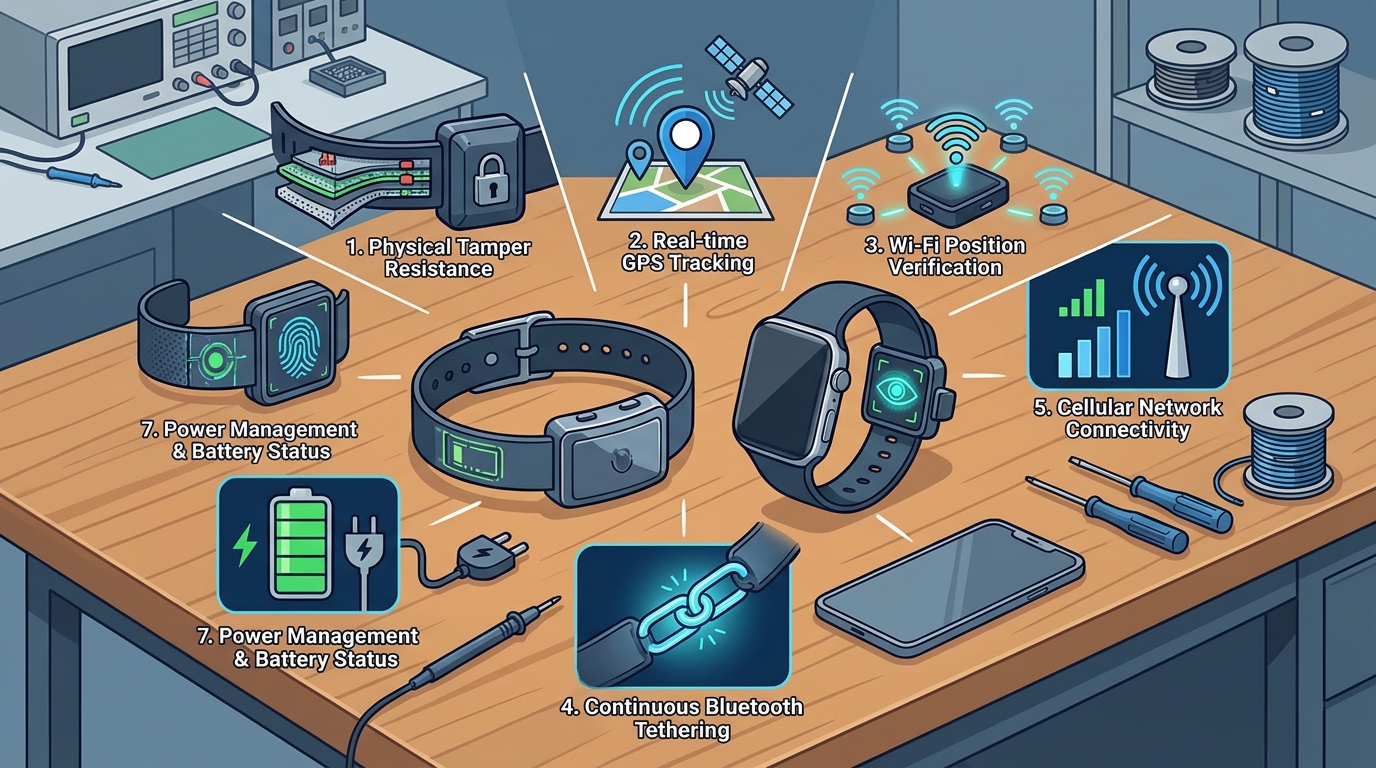
Robust hardware prevents unauthorized removal or modification of the device. Most modern ankle and wrist-worn monitors feature cut-free, fiber optic straps that detect any attempt to cut or break the band. This design eliminates false alerts caused by normal wear and tear while ensuring immediate notification if a tamper event occurs. The physical integrity of the device is the first line of defense in any monitoring program.
2. Biometric Identity Verification
Facial recognition ensures the correct individual is being monitored. Many handheld and wearable devices now include adaptive facial recognition technology. This feature verifies the identity of the person taking a test or checking in, preventing proxy testing. By using high-resolution images and government-grade security software, agencies can reduce the manual workload of reviewing photos while maintaining strict compliance standards.
3. Real-Time GPS and Cellular Tracking
Continuous location data allows for immediate response to violations. Devices utilize GPS, Wi-Fi, and cellular technology to provide precise location tracking. This ensures complete community coverage, even in areas with poor connectivity or GPS interference. Real-time data transmission to a secure web portal allows monitoring officers to visualize movements and respond to zone breaches instantly.
4. Liveness Detection Technology
Advanced sensors confirm the device is worn by a living person. Liveness detection prevents the use of static images or spoofed biometric data. This feature works in conjunction with facial recognition to ensure that the biometric check-in is genuine. It adds a critical layer of security that deters attempts to bypass identity verification protocols.
5. Secure Data Transmission Protocols
Encrypted communication protects sensitive offender data in transit. Modern devices use LTE and secure cellular connectivity to transmit data to monitoring centers. This ensures that location data, alcohol test results, and alert notifications are protected from interception. Secure data handling is essential for maintaining the integrity of court-ordered monitoring programs and protecting client privacy.
6. Remote Configuration and Firmware Updates
Over-the-air updates keep devices secure without physical servicing. Agencies can remotely adjust device settings, such as battery modes or alert thresholds, without requiring the offender to visit a facility. Over-the-air firmware updates ensure that security patches are applied promptly, reducing the risk of vulnerabilities. This capability significantly reduces operational costs and downtime for monitoring programs.
7. Integrated Zone and Curfew Monitoring
Customizable geographic boundaries enforce court-ordered restrictions. Devices allow agencies to create inclusion and exclusion zones using mapping software. This feature enables precise enforcement of curfews, no-contact orders, and restricted areas. Instant alerts are generated when an offender enters or exits a designated zone, providing clear evidence for compliance or violation determinations.
Choosing the Right Security Features
Selecting the appropriate device depends on the risk level of the offender and the specific requirements of the court. High-risk cases may require continuous transdermal alcohol monitoring combined with GPS tracking, while lower-risk individuals might benefit from remote breath testing with facial recognition. JSG Monitoring offers a comprehensive range of solutions, including the advanced monitoring products designed to meet diverse program needs. Agencies should evaluate their operational capacity and compliance goals when choosing between ankle-worn, wrist-worn, or handheld devices.
Frequently Asked Questions
What is the most important security feature in an electronic monitoring device?
Tamper-proof physical design is often considered the most critical feature. It ensures that the device remains on the offender and that any attempt to remove it triggers an immediate alert. This physical security layer is the foundation upon which all other digital security features operate.
How does facial recognition improve monitoring security?
Facial recognition prevents proxy testing by verifying that the person taking a test is the actual offender. It reduces the need for manual photo reviews by officers and adds a layer of biometric security that is difficult to bypass. This technology is particularly useful for remote breath testing devices.
Can electronic monitoring devices work in areas with poor cell service?
Yes, many modern devices use a combination of GPS, Wi-Fi, and cellular technology to maintain connectivity. Wi-Fi beacons can provide precise location data in indoor or GPS-impaired environments. This multi-technology approach ensures that monitoring continues even when cellular signals are weak.
What is liveness detection in electronic monitoring?
Liveness detection is a technology that confirms the biometric input is from a live person rather than a photo or video. It works alongside facial recognition to prevent spoofing attempts. This feature enhances the reliability of identity verification in remote monitoring scenarios.
How do agencies update the security features of monitoring devices?
Agencies can use over-the-air firmware updates to apply security patches and adjust device settings remotely. This eliminates the need for physical servicing and ensures that devices remain up to date with the latest security protocols. Remote configuration also allows for quick adjustments to monitoring parameters as needed.
Where can I learn more about JSG Monitoring's security solutions?
You can explore the full range of JSG Monitoring products to see how their security features align with your program's needs. The company provides detailed information on each device's capabilities, including tamper detection, biometric verification, and data transmission protocols. For specific inquiries, you can contact the JSG Monitoring team for guidance on selecting the right solution.