
Wrist-Worn Electronic Monitoring: The 2026 Guide to Real-Time Tracking
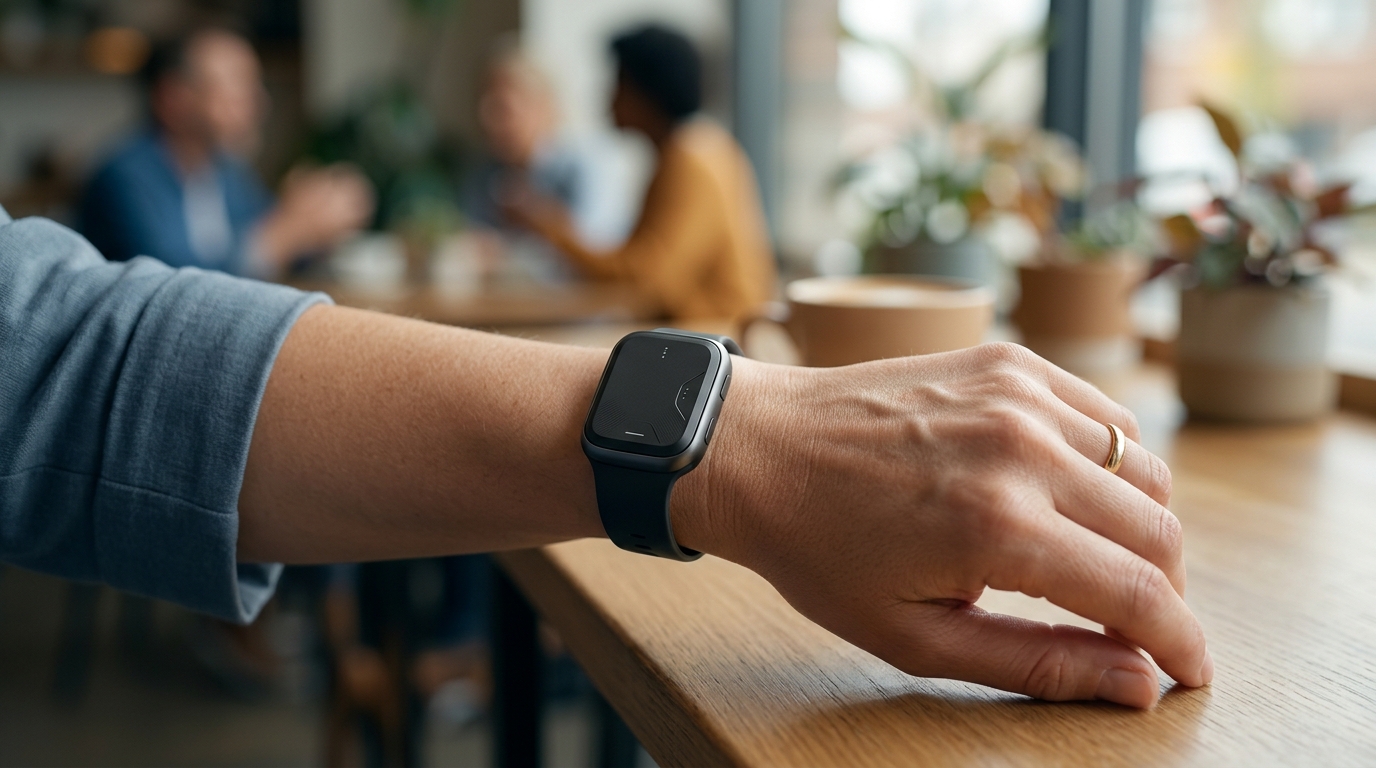
Wrist-worn electronic monitoring devices provide real-time tracking comparable to ankle-worn technology by utilizing GPS, Wi-Fi, and cellular connectivity. These discreet tools offer high-accuracy location data, biometric verification, and robust tamper detection. This guide explores how modern wrist-worn devices, such as the BI VeriWatch, function within community supervision programs. It details the specific hardware capabilities that ensure reliable compliance and public safety.
Introduction to Wrist-Worn Monitoring
Electronic monitoring is a critical component of modern community corrections. It allows agencies to supervise offenders without the high costs of incarceration. Historically, ankle-worn bracelets were the standard for this type of supervision. However, the industry has evolved to include wrist-worn devices that offer similar functionality with greater discretion. Wrist-worn monitoring is a method of tracking an individual's location and compliance using a device worn on the wrist, similar to a consumer smartwatch. This shift in technology addresses the need for less intrusive supervision while maintaining strict accountability.
JSG Monitoring provides these advanced solutions to courts, law enforcement, and monitoring companies across the United States. Our focus is on supplying reliable, high-quality equipment that supports public safety. By integrating state-of-the-art hardware with secure software platforms, we ensure that agencies have the tools they need to manage caseloads effectively. The following sections detail the specific technical features that make wrist-worn devices a viable alternative to traditional ankle monitors.
Tamper Detection Capabilities
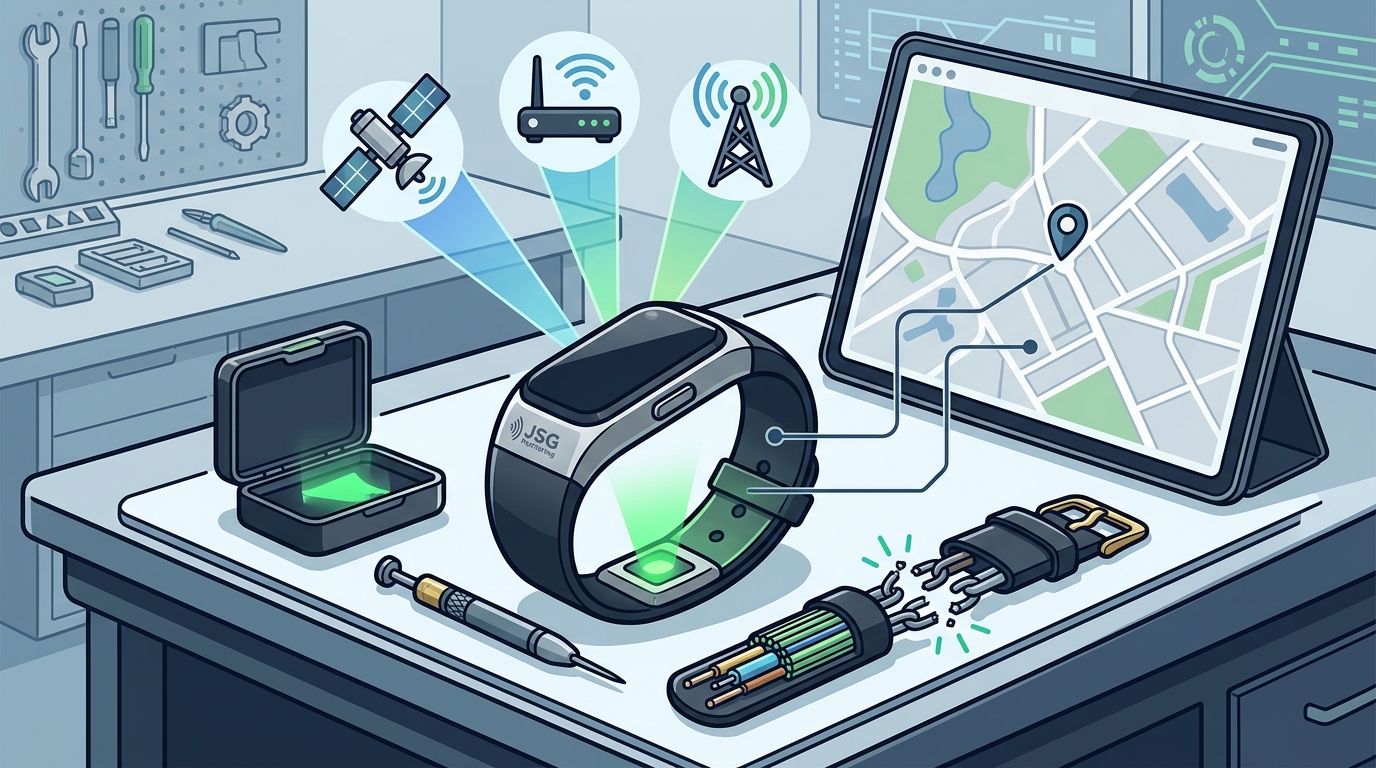
Reliability is the most important factor in any monitoring device. If a device can be easily removed or disabled, it fails its primary purpose. Modern wrist-worn devices employ multiple layers of security to prevent tampering. These systems are designed to alert monitoring officers immediately if a device is compromised.
Proximity and Removal Sensors
Devices like the BI VeriWatch use proximity sensors to detect when the device is removed from the body. When the sensor detects separation, it prompts a biometric check-in. This ensures that the device is still on the intended individual. If the check-in is not completed within a specific timeframe, an alert is generated. This multi-step verification process significantly reduces the risk of unauthorized removal.
High-Frequency Pursuit Mode
When a tamper event is detected, the device can enter a high-frequency pursuit mode. This mode increases the rate of data transmission to provide real-time location updates. It allows officers to track the individual's movement immediately after a potential violation. This feature is crucial for responding to breaches of court-ordered conditions quickly and effectively.
Secure Operating Systems
Hardware security is only as strong as the software that controls it. These devices run on secure, custom operating systems designed for the rigors of community supervision. The software is pre-installed and controlled by the monitoring agency. This prevents users from installing unauthorized applications or altering device settings. The combination of physical sensors and secure software creates a robust defense against tampering.
Biometric Sensor Integration
Identity verification is a key challenge in remote monitoring. Offenders may attempt to pass a device to another person to fake compliance. Biometric sensors solve this problem by confirming the identity of the individual wearing the device. This technology ensures that the person being monitored is the one actually wearing the hardware.
Facial Recognition Technology
Advanced devices incorporate biometric facial comparison to confirm client identity. The device captures an image of the user and compares it to a pre-registered template. This process happens automatically during check-ins or when prompted by the system. It eliminates the need for manual photo reviews by officers, saving time and reducing administrative burden.
Liveness Detection
Simple facial recognition can be fooled by photos or videos. To prevent this, modern devices use liveness detection. This technology analyzes the image to ensure it is a live, real-time capture. It detects subtle movements and depth cues that static images lack. This ensures that the biometric verification is accurate and secure.
Integration with Monitoring Platforms
Biometric data is transmitted securely to the monitoring platform. Officers can view verification results in real time. If a verification fails, the system flags the event for review. This integration allows for immediate response to potential compliance issues. It enhances the overall effectiveness of the monitoring program by ensuring that the right person is being tracked.
Device Comparison and Specifications
Choosing the right device depends on the specific needs of the monitoring program. The table below compares key features of wrist-worn and ankle-worn devices available through JSG Monitoring. This comparison helps agencies understand the trade-offs and benefits of each form factor.
| Feature | BI VeriWatch (Wrist-Worn) | BI LOC8 XT (Ankle-Worn) |
|---|---|---|
| Form Factor | Discreet wrist-worn device | Low-profile ankle bracelet |
| Connectivity | GPS, Wi-Fi, LTE Cellular | GPS, Wi-Fi, Cellular |
| Identity Verification | Biometric facial comparison and liveness detection | Standard tamper alerts |
| Battery Life | Up to 16 hours (24 hours with transfer battery) | Long-life battery with power-saving options |
| Charging | Cordless charging (2 hours for full charge) | Standard charging |
| Best For | Discreet monitoring, high-security identity verification | Continuous tracking, GPS-impaired environments |
The BI VeriWatch offers a more discreet option for individuals who require less visible supervision. Its biometric features provide an additional layer of security that is not present in standard ankle monitors. Conversely, the BI LOC8 XT is designed for robust, continuous tracking in various environments. Agencies often use a combination of both devices to tailor supervision to the risk level of each individual.
Key Takeaways
- Wrist-worn devices like the BI VeriWatch provide real-time monitoring comparable to ankle-worn technology.
- Biometric facial recognition and liveness detection ensure that the correct individual is wearing the device.
- Proximity sensors and high-frequency pursuit mode offer robust tamper detection capabilities.
- Secure, custom operating systems prevent unauthorized software modifications or settings changes.
- Wrist-worn devices offer greater discretion, which can improve compliance and reduce stigma.
- Agencies can combine wrist-worn and ankle-worn devices to create tailored supervision plans.
- JSG Monitoring provides training and support to ensure effective implementation of these technologies.
- Real-time data transmission allows officers to respond quickly to potential violations.
Frequently Asked Questions
Is a wrist-worn monitor as accurate as an ankle monitor?
Yes, modern wrist-worn devices use the same GPS, Wi-Fi, and cellular technologies as ankle monitors. They provide comparable location accuracy and real-time tracking capabilities. The main difference is the form factor and the additional biometric features often found in wrist-worn devices.
How does biometric verification work on a wrist-worn device?
The device captures a facial image and compares it to a pre-registered template. It uses liveness detection to ensure the image is real-time. This confirms that the intended individual is wearing the device, preventing fraud.
Can the device be removed without detection?
No, the device includes proximity sensors that detect removal. If removed, it prompts a biometric check-in. If the check-in is not completed, an alert is sent to the monitoring officer. The device also enters a high-frequency pursuit mode to track the individual's location.
What is the battery life of the BI VeriWatch?
The BI VeriWatch has a battery life of up to 16 hours on a single charge. When paired with a portable transfer battery, it can last up to 24 hours. It charges fully in two hours using a cordless charging system.
Are wrist-worn devices suitable for all offenders?
Wrist-worn devices are ideal for individuals who require discreet monitoring or have specific risk profiles. They are often used for lower-risk offenders or those who have earned less intensive supervision. Agencies should assess each individual's needs to determine the best device.
How does JSG Monitoring support agencies using these devices?
JSG Monitoring provides comprehensive training, technical support, and tailored solutions. We work with courts, law enforcement, and monitoring companies to ensure smooth implementation. Our team offers expert guidance on best practices for using these technologies effectively.
Conclusion
Wrist-worn electronic monitoring devices offer a powerful alternative to traditional ankle-worn technology. They provide real-time tracking, robust tamper detection, and advanced biometric verification. These features ensure that agencies can maintain high standards of accountability and public safety. By choosing the right device for each individual, courts and law enforcement can create more effective and humane supervision programs.
JSG Monitoring is committed to providing the best electronic monitoring solutions available. We offer a range of products, including the BI VeriWatch and BI LOC8 XT, to meet the diverse needs of our partners. To learn more about how our technology can support your monitoring program, today. We are ready to help you enhance community safety and streamline your operations.