
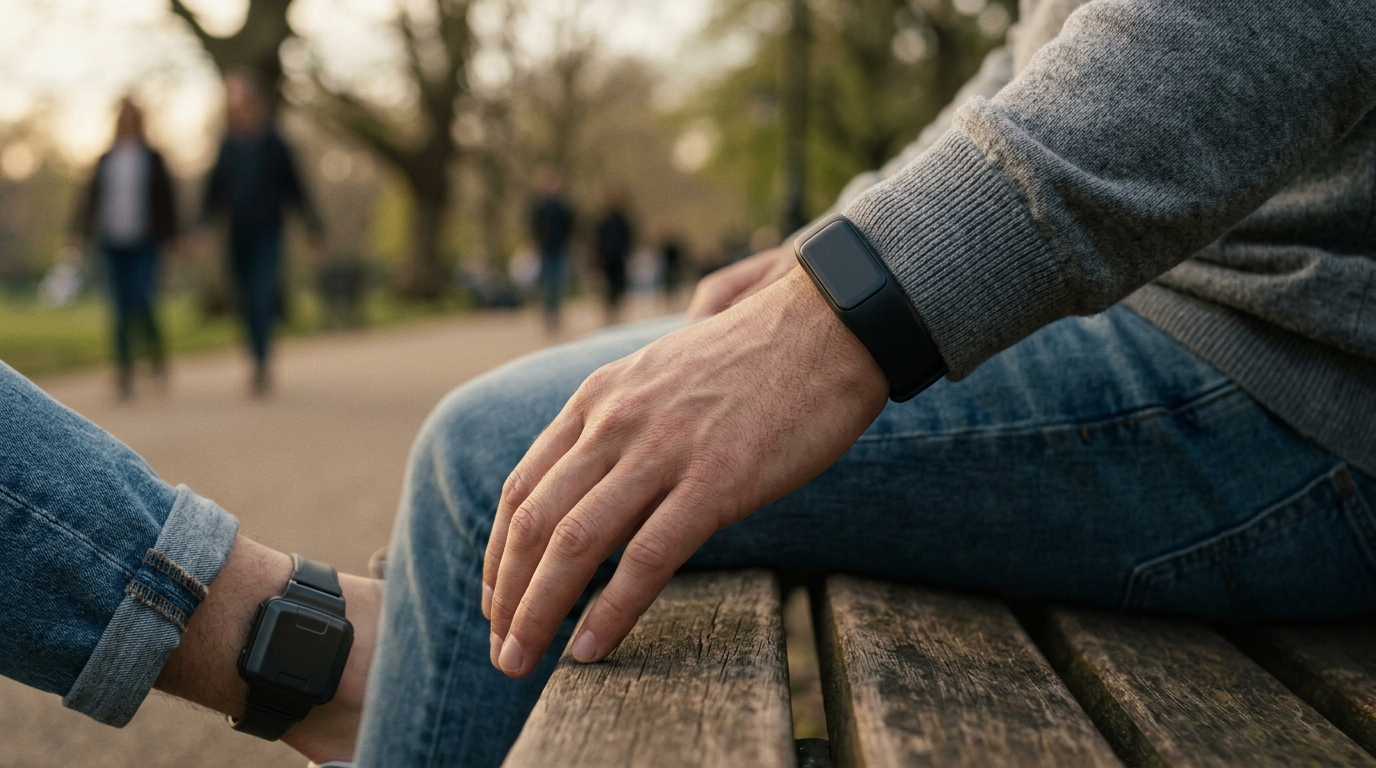
GPS ankle bracelets are generally more reliable for continuous supervision due to their secure, tamper-resistant design and robust battery life. Wristbands offer greater discretion but face higher vulnerability to removal and signal loss. This guide compares the reliability of both form factors, focusing on tamper resistance, signal consistency, and durability to help agencies choose the right tool for their community supervision programs.
Ankle Bracelet Reliability
Ankle-worn GPS devices have long been the standard for electronic monitoring. Their reliability stems from a combination of physical security and operational endurance. The primary advantage of an ankle bracelet is its difficulty of removal. Because the device is secured to the body with a robust strap, it is significantly harder for a participant to remove without triggering an alert. This physical barrier is the first line of defense in maintaining continuous supervision.
Operational Endurance
Continuous Tracking
Continuous tracking is the core function of these devices. Ankle bracelets provide 24/7 location data, allowing officers to verify compliance with curfews and exclusion zones in real-time. The reliability of this data is critical for court reporting and case management. When a device is secure and connected, the data it produces is consistent and actionable. This consistency builds trust in the monitoring system for both the supervising agency and the judicial system.
Wristband Vulnerability
Removal and Loss Risks
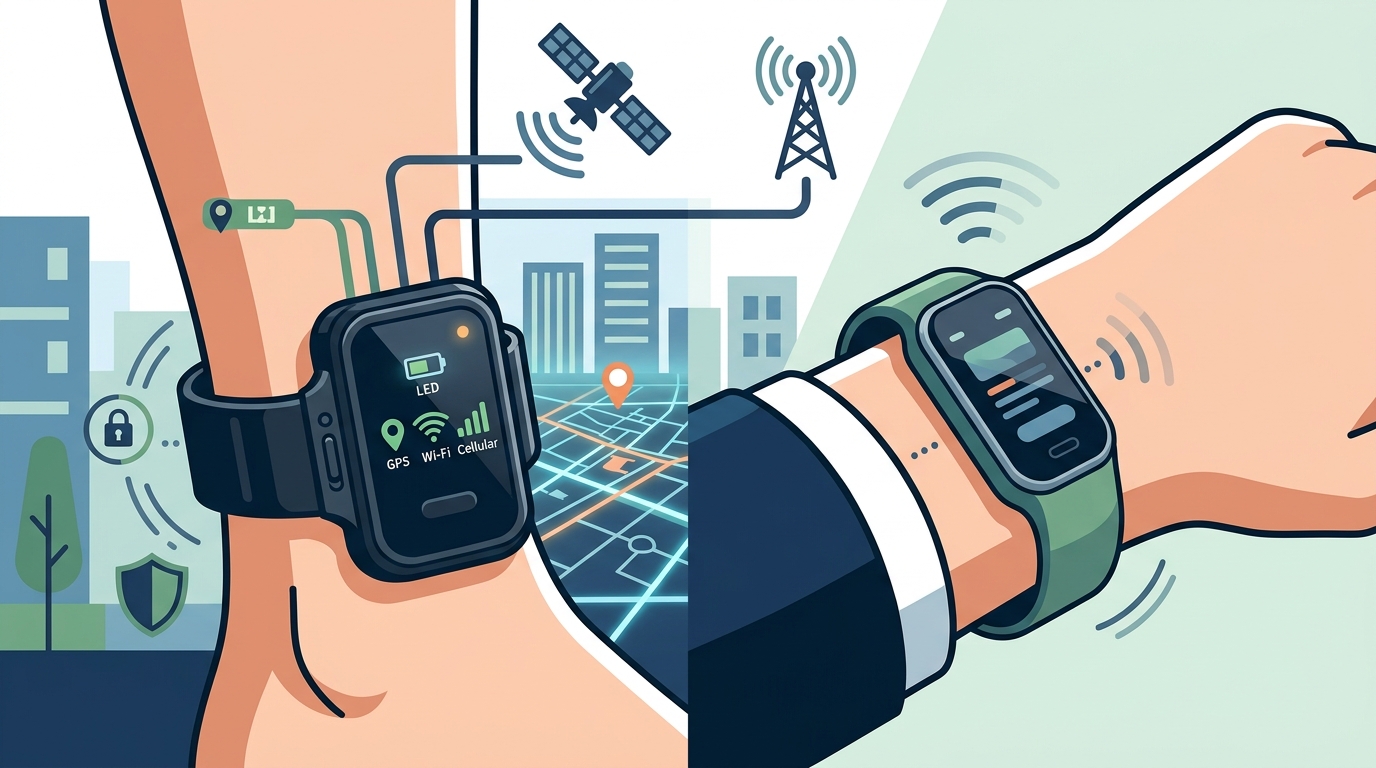
The risk of accidental loss is also higher with wristbands. Participants engage in daily activities that involve hand washing, lifting, and physical labor. A wrist device is more susceptible to being knocked off, dropped, or lost during these routine tasks. When a device is lost, the monitoring gap can be significant. Agencies must account for this risk when selecting a device for high-risk participants or those with a history of non-compliance.
Signal Obstruction
Wristbands can also face signal obstruction issues. The human body can block GPS and cellular signals, particularly when the hand is in a pocket or held against the body. While modern devices use multiple technologies to mitigate this, the physical placement on the wrist can still lead to intermittent signal loss. This can result in gaps in location data, reducing the overall reliability of the monitoring record.
Tamper Resistance Design
Tamper resistance is a critical component of device reliability. A reliable monitoring device must not only track location but also alert the agency when the device is compromised. Both ankle and wrist devices incorporate tamper detection, but the design approaches differ. Ankle bracelets typically use fiber-optic or cut-resistant straps. These straps are designed to be nearly impossible to cut without triggering an immediate alert. The alert is sent to the monitoring center, allowing for a rapid response.
Biometric Verification
Modern devices, including those from JSG Monitoring, often incorporate biometric verification to enhance tamper resistance. For example, the BI VeriWatch uses biometric facial comparison to confirm client identity. This feature ensures that the person wearing the device is the authorized participant. If someone else attempts to wear the device, the system can detect the mismatch and raise an alert. This adds a layer of security that goes beyond simple strap integrity.
Proximity and Liveness Detection
Some wrist-worn devices use proximity sensors and liveness detection to monitor device removal. If the device is removed from the body, the proximity sensor can detect the change and prompt a biometric check-in. If the check-in is not completed within a specified time, an alert is generated. While this technology is advanced, it relies on the participant's cooperation to complete the check-in. Ankle straps, by contrast, provide a more passive form of tamper detection that does not require active participation from the wearer.
Signal Consistency
Signal consistency is a key determinant of data reliability. A monitoring device is only as good as the data it transmits. Inconsistent signals lead to gaps in location history, which can undermine the effectiveness of the monitoring program. GPS signals can be affected by environmental factors such as buildings, trees, and weather. Cellular signals can be affected by network coverage and congestion. A reliable device must use multiple technologies to ensure consistent data transmission.
Multi-Technology Approach
Many modern devices, such as the BI LOC8 XT, use a combination of GPS, Wi-Fi, and cellular technology. This multi-technology approach ensures that the device can maintain a connection even in areas with poor GPS coverage. For example, in dense urban environments or indoors, Wi-Fi and cellular signals can provide location data when GPS is unavailable. This redundancy enhances the overall reliability of the device.
Power Management
Power management also plays a role in signal consistency. Devices with efficient power management can maintain their connection for longer periods. Some devices offer power-saving modes that reduce transmission frequency when the participant is in a known, safe location. This conserves battery life while still providing the necessary data. However, agencies must configure these modes carefully to ensure that critical alerts are not delayed.
Water Exposure Durability
Water exposure is a common challenge for electronic monitoring devices. Participants are required to wear these devices 24/7, which means they will inevitably be exposed to water during bathing, swimming, or accidental submersion. A reliable device must be able to withstand water exposure without losing functionality. Water damage can cause short circuits, corrosion, and battery failure, all of which compromise the device's reliability.
Ingress Protection Ratings
Devices are often rated for water resistance using Ingress Protection (IP) ratings. An IP rating indicates the level of protection against solid objects and liquids. For example, an IP67 rating means the device is dust-tight and can withstand immersion in water up to one meter for 30 minutes. Agencies should look for devices with high IP ratings to ensure durability in wet conditions. The Omnilink GPS features a waterproof and submersible design, ensuring it performs under any conditions.
Charging Port Protection
The charging port is often the most vulnerable point for water damage. Many devices use magnetic or sealed charging ports to prevent water ingress. Some devices, like the BI VeriWatch, use cordless charging, which eliminates the need for a physical port altogether. This design choice enhances durability and reduces the risk of water-related failures. Agencies should consider the charging mechanism when evaluating device reliability.
Comparison Table
| Feature | Ankle Bracelet | Wristband |
|---|---|---|
| Removal Difficulty | High (Secure Strap) | Low (Slip-Off Risk) |
| Battery Life | Longer (Larger Battery) | Shorter (Smaller Battery) |
| Discretion | Lower (Visible) | Higher (Smartwatch-like) |
| Tamper Detection | Passive (Strap Integrity) | Active (Biometric/Proximity) |
| Signal Consistency | High (Less Obstruction) | Variable (Body Obstruction) |
| Water Durability | High (Sealed Design) | Variable (Port Vulnerability) |
Key Takeaways
- Ankle bracelets are generally more reliable for continuous supervision due to their secure design and longer battery life.
- Wristbands offer greater discretion but are more vulnerable to removal and signal obstruction.
- Tamper resistance is critical; ankle straps provide passive detection, while wristbands often use active biometric verification.
- Signal consistency is enhanced by multi-technology approaches that combine GPS, Wi-Fi, and cellular data.
- Water durability is essential; look for devices with high IP ratings and sealed or cordless charging ports.
- Agencies should match the device form factor to the risk profile of the participant.
- Regular maintenance and proper configuration are necessary to maximize the reliability of any monitoring device.
Frequently Asked Questions
Are wristbands as reliable as ankle bracelets?
Wristbands are generally less reliable than ankle bracelets for continuous supervision. They are easier to remove and can suffer from signal obstruction. However, they offer greater discretion, which can improve participant compliance in some cases.
How do tamper alerts work on wristbands?
Wristbands often use proximity sensors and biometric verification to detect removal. If the device is removed, it may prompt a biometric check-in. If the check-in is not completed, an alert is sent to the monitoring center.
Can ankle bracelets be removed without detection?
It is very difficult to remove an ankle bracelet without detection. The straps are designed to be cut-resistant, and cutting the strap triggers an immediate alert. Some devices also use biometric verification to ensure the correct person is wearing the device.
What is the best device for high-risk participants?
How does water exposure affect device reliability?
Water exposure can cause short circuits and battery failure if the device is not properly sealed. Look for devices with high IP ratings and sealed or cordless charging ports to ensure durability in wet conditions.
Do wristbands have shorter battery life?
Yes, wristbands typically have shorter battery life than ankle bracelets. This is because they have smaller batteries to fit within a compact form factor. Agencies must account for more frequent charging when using wristbands.
Can I use both ankle and wrist devices?
Some agencies use a combination of ankle and wrist devices for different participants or different phases of supervision. This allows for flexibility in monitoring intensity and participant comfort. The choice depends on the specific needs of the program.
How do I choose the right device for my agency?
Consider the risk profile of your participants, the operational requirements of your program, and the technical capabilities of the device. Consult with a provider like JSG Monitoring to find the right solution for your needs.