

Michigan courts should prioritize devices with robust tamper detection, multi-source location tracking, and seamless software integration. These features ensure accurate compliance data and reduce administrative burden. JSG Monitoring provides these advanced tools to support effective community supervision and public safety.
Reliable Location Tracking and Connectivity
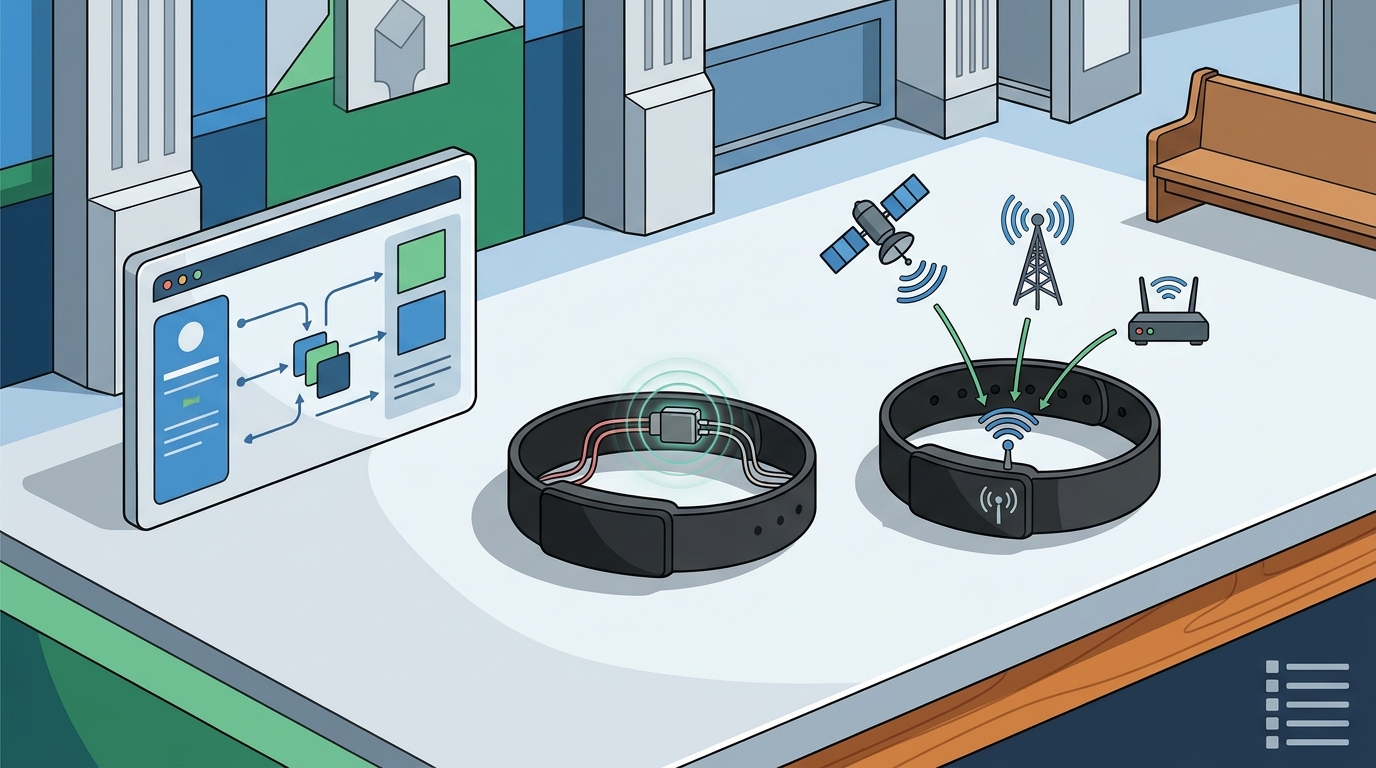
Accurate location data is the foundation of any electronic monitoring program. Modern devices must utilize multiple connectivity methods to ensure continuous tracking. GPS technology provides precise outdoor location data, while Wi-Fi and cellular networks fill in gaps in dense urban areas or indoor environments. This multi-source approach prevents tracking blind spots that can compromise case management.
The BI LOC8 XT exemplifies this standard by combining GPS, Wi-Fi, and cellular technology. This device ensures complete community coverage, even in areas with GPS interference. For courts, this reliability means fewer false alarms and more actionable data. It allows officers to make informed decisions based on consistent, high-quality location information.
Advanced Tamper Detection and Security
Tamper detection is a critical security feature that protects the integrity of the monitoring program. A reliable device must immediately alert authorities if the equipment is removed or damaged. This feature deters non-compliance and provides clear evidence for court proceedings. Courts need systems that distinguish between accidental disconnections and intentional tampering to avoid unnecessary interventions.
The SCRAM GPS features a revolutionary tamper-proof strap designed to reduce false alerts. This innovation ensures that only genuine tampering attempts trigger notifications. By minimizing false positives, courts can focus their resources on actual violations. This precision enhances the credibility of the monitoring data presented in legal contexts.
Seamless Software Integration and Reporting
Hardware is only as effective as the software that manages it. Courts require monitoring platforms that integrate smoothly with existing case management systems. This integration allows for real-time data visualization and automated reporting. Officers should be able to view offender movements, alerts, and compliance history in a single, intuitive interface. This efficiency saves time and reduces the risk of data entry errors.
Discreet Design and User Comfort
The physical design of the device impacts both compliance and public perception. Discreet, low-profile devices are less stigmatizing and may improve offender cooperation. Comfort is also a factor, as uncomfortable devices can lead to non-compliance or health issues. Courts should look for devices that are durable yet comfortable for long-term wear. This balance supports rehabilitation goals while maintaining security.
The BI VeriWatch is a wrist-worn device comparable in size to a consumer smartwatch. This discreet design offers reliable real-time monitoring without the bulk of traditional ankle bracelets. For courts, this option provides flexibility in supervision strategies. It allows for less intrusive monitoring for lower-risk offenders while maintaining high standards of accountability.
Key Takeaways
- Multi-source tracking using GPS, Wi-Fi, and cellular ensures continuous coverage.
- Advanced tamper detection reduces false alerts and strengthens legal evidence.
- Seamless software integration streamlines case management and reporting.
- Discreet device design supports compliance and reduces stigma.
- Reliable connectivity is essential for real-time alerts and data transmission.
- Customizable monitoring options allow courts to tailor supervision to risk levels.
Frequently Asked Questions
What is the most important feature in an electronic monitoring device?
Reliable location tracking is the most critical feature. It ensures that courts have accurate, real-time data on offender movements. This data is essential for enforcing conditions and ensuring public safety.
How does tamper detection work in modern devices?
Tamper detection uses sensors to monitor the integrity of the device and strap. If the device is removed or damaged, it sends an immediate alert to the monitoring center. This feature provides clear evidence of non-compliance.
Can electronic monitoring devices track indoor locations?
Yes, many modern devices use Wi-Fi and cellular signals to track indoor locations. This capability is crucial for monitoring curfews and exclusion zones in homes or other indoor spaces.
What software features are essential for court use?
Courts need software that offers real-time mapping, automated reporting, and easy integration with case management systems. These features allow officers to monitor compliance efficiently and make data-driven decisions.
Are wrist-worn devices as effective as ankle bracelets?
Wrist-worn devices like the BI VeriWatch offer similar tracking capabilities to ankle bracelets. They provide a discreet alternative that may improve compliance for certain offenders. Courts can choose the best option based on individual case needs.
Conclusion
Michigan courts must select electronic monitoring devices that offer reliability, security, and ease of use. Features like multi-source tracking, advanced tamper detection, and seamless software integration are essential for effective supervision. JSG Monitoring provides these solutions to help courts enhance public safety and streamline operations. To explore these features in detail, view our product lineup.