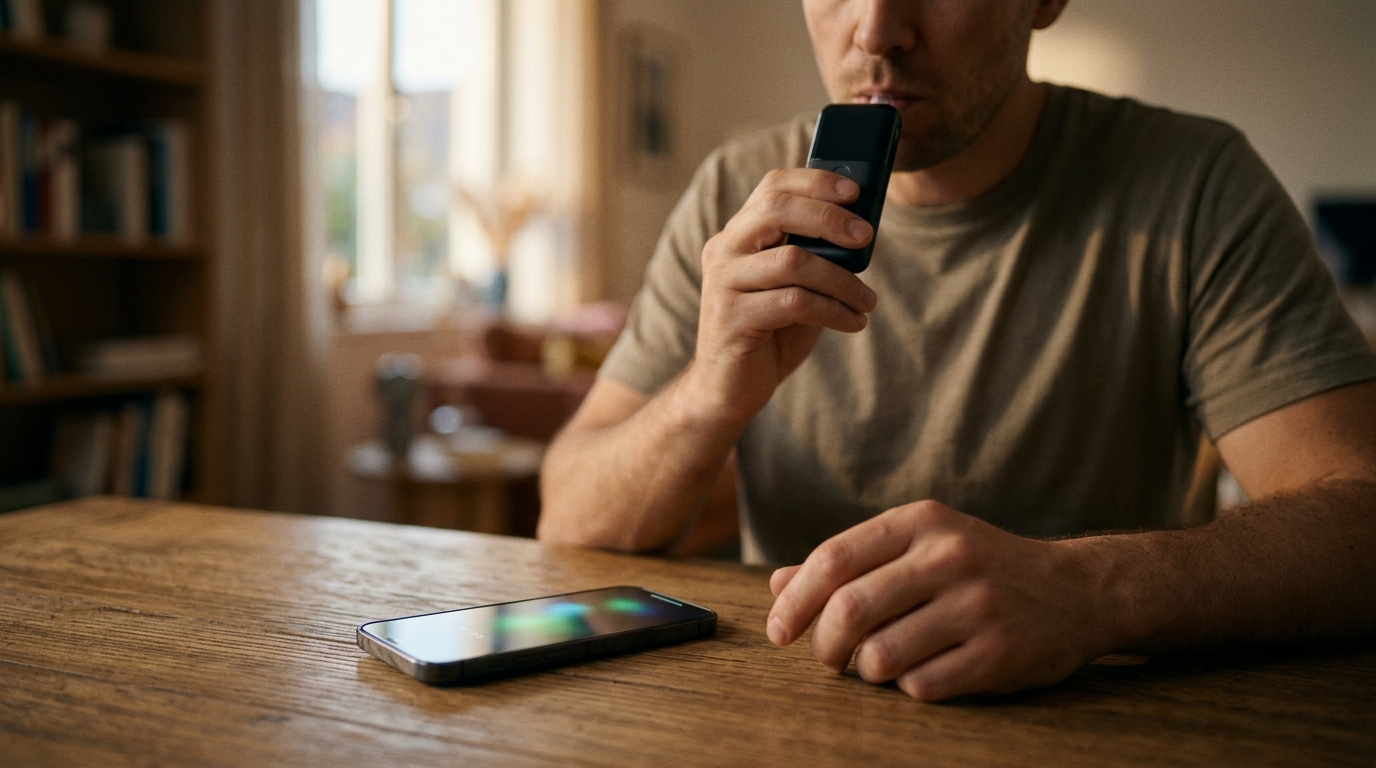
Suppliers of portable breathalyzers with facial recognition and GPS for remote alcohol testing include specialized electronic monitoring vendors like JSG Monitoring. These devices combine biometric identity verification with location data to ensure secure, tamper-proof compliance for criminal justice and addiction programs. This guide covers device types, cost structures, and the operational benefits of integrating facial recognition into remote testing workflows.
Alcohol Monitoring Devices
Alcohol monitoring is the process of tracking an individual's blood alcohol content (BAC) through continuous or intermittent testing to ensure compliance with court orders or treatment programs. Modern devices have evolved from simple breath tests to sophisticated systems that integrate multiple data points. The primary categories include continuous transdermal monitoring and remote breath testing. Continuous systems, such as the SCRAM Continuous bracelet, measure alcohol through the skin 24/7. Remote breath testing devices, like the BI SL3 or SCRAM Remote Breath, require the user to blow into a handheld unit at scheduled or random intervals.
The distinction between these two types is critical for program design. Continuous monitoring eliminates the possibility of skipping tests, as the device is always active. However, it is typically reserved for high-risk offenders with a history of alcohol dependence. Remote breath testing offers more flexibility and is often used for lower-risk individuals or those who have demonstrated progress in their rehabilitation. Both methods rely on secure data transmission to a central portal where supervising officers can review results in real-time.
Continuous vs. Remote Testing
Continuous monitoring provides a complete picture of alcohol consumption over time. It detects any intake, regardless of when it occurs. This is highly effective for preventing relapse but can be intrusive. Remote testing, on the other hand, relies on the user's compliance with a testing schedule. To mitigate the risk of substitution or tampering, modern remote devices incorporate biometric verification. This ensures that the person blowing into the device is the same person who is being monitored.
Installation Fees
Installation fees are the one-time costs associated with fitting a monitoring device to an offender. For continuous transdermal devices, this involves a professional fitting session where the device is secured to the ankle. The fee covers the labor, materials, and calibration required to ensure the device is properly attached and functioning. For remote breath testing devices, installation is less invasive. It typically involves an initial orientation session where the user is trained on how to operate the device, charge it, and understand the testing protocols.
The cost of installation varies by provider and device type. Continuous devices generally carry higher installation fees due to the technical nature of the fitting. Remote devices may have lower or no installation fees, as the process is primarily educational. Agencies should consider these costs when budgeting for a monitoring program. It is important to distinguish between the hardware cost and the service cost. The hardware is often owned by the provider, while the service fee covers the ongoing monitoring and support.
Daily Vendor Fees
Daily vendor fees are the recurring charges paid to the monitoring provider for the use of the device and the associated software platform. These fees cover the cost of data transmission, server maintenance, and customer support. The rate is typically calculated on a per-day basis, regardless of whether the device is actively transmitting data. This model ensures that the provider can maintain the infrastructure required for real-time monitoring and alerting.
The daily fee structure allows for predictable budgeting. Agencies can estimate their monthly costs based on the number of active clients and the average duration of their monitoring periods. Some providers offer tiered pricing based on the level of service, such as the frequency of alerts or the depth of data analytics. It is essential to review the contract terms to understand what is included in the daily fee. Some fees may cover only the basic monitoring service, while additional features like GPS tracking or facial recognition may incur extra charges. according to Accuracy of Consumer
Offender Monitoring Costs
Offender monitoring costs encompass the total expenditure associated with supervising an individual through electronic means. This includes the initial installation fee, the daily vendor fee, and any additional costs for specific features or services. The total cost can vary significantly depending on the type of device, the duration of the monitoring period, and the complexity of the case. For example, a high-risk offender on continuous monitoring with GPS tracking will incur higher costs than a low-risk offender on remote breath testing.
Understanding the full cost structure is crucial for agencies to make informed decisions about resource allocation. It is also important to consider the indirect costs, such as the time spent by officers reviewing alerts and managing compliance. Electronic monitoring can reduce these indirect costs by automating many of the routine tasks. However, it requires a robust system for managing the data and responding to alerts. Agencies should evaluate the total cost of ownership, including both direct and indirect costs, when comparing different monitoring solutions.
Installation Charges
Installation charges are often bundled with the initial setup of the monitoring program. For continuous devices, this charge covers the physical fitting of the device. The process requires a trained technician to ensure that the device is secure and that the sensors are properly aligned. The charge may also include the cost of any necessary accessories, such as charging cables or protective covers. For remote devices, the installation charge may cover the initial configuration of the device and the user's account on the monitoring platform.
Some providers waive installation charges for long-term monitoring contracts. This can be a significant saving for agencies that are monitoring a large number of clients. It is important to negotiate these terms during the contracting process. Agencies should also consider the logistics of installation. For continuous devices, the fitting must be done in person. For remote devices, the orientation can sometimes be done remotely, which can save time and resources. The choice of device should be based on the specific needs of the program and the population being monitored.
Criminal Monitoring Costs
Criminal monitoring costs refer to the expenses associated with supervising individuals who are under court order for criminal offenses. These costs are often borne by the offender, the state, or a combination of both. The specific cost structure depends on the jurisdiction and the type of offense. For alcohol-related offenses, the costs are typically tied to the monitoring device and the service provider. For other offenses, such as GPS tracking for sex offenders, the costs may be different.
Agencies must ensure that the cost structure is fair and transparent. Offenders should be clearly informed of the costs they are responsible for and the consequences of non-payment. The monitoring provider should offer clear billing statements and support for any questions or disputes. The goal is to create a system that is both effective and equitable. Electronic monitoring can be a cost-effective alternative to incarceration, but it requires careful management to ensure that it achieves its intended outcomes.
Portable Breathalyzer Suppliers
Portable breathalyzer suppliers are companies that manufacture or distribute handheld alcohol testing devices. These devices are designed for remote use, allowing the user to test themselves at home or other locations. The supplier is responsible for providing the hardware, the software platform, and the ongoing support. JSG Monitoring is a trusted provider of electronic monitoring equipment, offering a comprehensive range of premier products to meet the unique needs of partners. They partner with trusted monitoring providers to deliver reliable and effective monitoring solutions that support public safety and accountability.
When selecting a supplier, agencies should consider several factors. These include the reliability of the device, the accuracy of the BAC readings, the security of the data transmission, and the quality of customer support. The supplier should have a proven track record in the criminal justice and addiction treatment sectors. They should also offer flexible contract terms and competitive pricing. JSG Monitoring provides tailored equipment solutions, a robust training library, and seamless integration with proven monitoring programs operated by their trusted supplier network.
Key Supplier Features
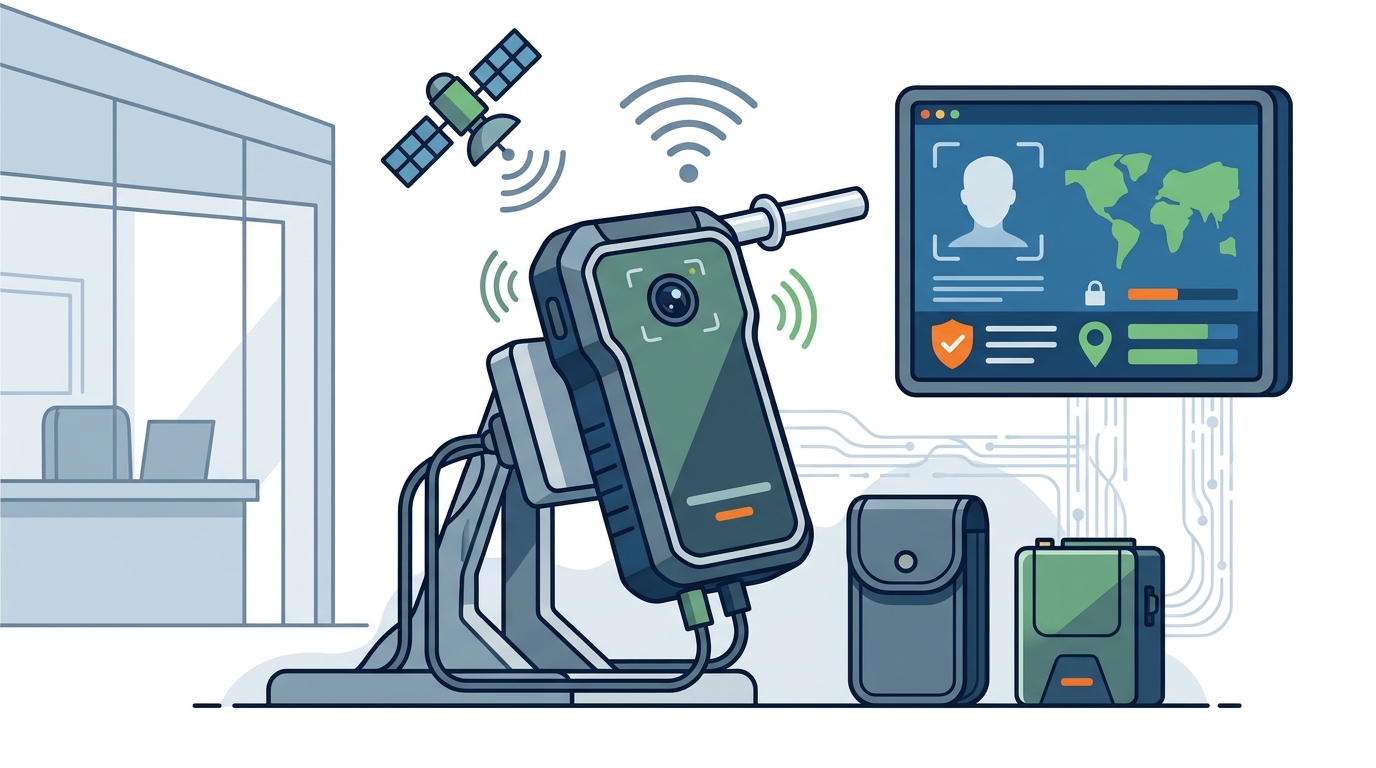
Leading suppliers offer devices with advanced features such as facial recognition, GPS tracking, and LTE connectivity. These features enhance the security and reliability of the monitoring process. Facial recognition ensures that the correct individual is taking the test. GPS tracking provides location data for every test, allowing officers to verify that the test was taken at an authorized location. LTE connectivity ensures that the data is transmitted securely and in real-time. These features are essential for modern remote alcohol monitoring programs.
Facial Recognition Verification
Facial recognition verification is a biometric technology that uses facial features to confirm the identity of an individual. In the context of remote alcohol testing, it is used to ensure that the person blowing into the device is the same person who is being monitored. This technology eliminates the need for manual photo reviews by officers, significantly reducing staff workload. The device captures a high-resolution image of the user's face and compares it to a reference image stored in the system. If the match is successful, the test is accepted. If the match fails, an alert is generated.
The use of facial recognition in alcohol monitoring is a significant advancement in the field. It addresses a major vulnerability in remote testing, which is the possibility of substitution. Without biometric verification, a user could potentially have someone else take the test for them. Facial recognition closes this gap, ensuring that the data is accurate and reliable. The technology is also designed to be secure, using government-grade encryption to protect the biometric data. This ensures that the privacy and security of the user are maintained.
Benefits of Biometric Verification
Biometric verification offers several benefits for monitoring programs. It reduces the administrative burden on officers, allowing them to focus on higher-priority tasks. It increases the accuracy of the data, ensuring that the results are reliable. It also enhances the security of the system, making it more difficult for users to tamper with the device or the data. These benefits make biometric verification an essential feature for modern remote alcohol monitoring programs.
Key Takeaways
- Alcohol monitoring devices include continuous transdermal systems and remote breath testing units.
- Installation fees cover the initial fitting or orientation of the device.
- Daily vendor fees are recurring charges for the use of the device and software platform.
- Offender monitoring costs include both direct and indirect expenses.
- Installation charges may be bundled with long-term contracts.
- Criminal monitoring costs vary by jurisdiction and offense type.
- Portable breathalyzer suppliers provide hardware, software, and support.
- Facial recognition verification ensures the identity of the user and prevents substitution.
Frequently Asked Questions
What is the difference between continuous and remote alcohol monitoring?
Continuous monitoring measures alcohol through the skin 24/7, while remote monitoring requires the user to blow into a device at scheduled intervals.
How does facial recognition work in alcohol testing?
Facial recognition captures an image of the user's face and compares it to a reference image to verify identity.
Who pays for electronic monitoring devices?
The cost is typically borne by the offender, the state, or a combination of both, depending on the jurisdiction.
Are remote breathalyzers accurate?
Yes, modern remote breathalyzers use proven fuel cell technology to ensure accurate BAC readings.
What is the role of GPS in alcohol monitoring?
GPS provides location data for every test, allowing officers to verify that the test was taken at an authorized location.
Can I use a smartphone app for alcohol monitoring?
While some apps exist, they are not as secure or accurate as dedicated hardware devices with biometric verification.
Conclusion
Selecting the right supplier for portable breathalyzers with facial recognition and GPS is a critical decision for any monitoring program. JSG Monitoring offers a comprehensive range of solutions that combine advanced technology with reliable support. By understanding the different types of devices, cost structures, and verification methods, agencies can make informed decisions that enhance public safety and support offender rehabilitation. To explore how JSG Monitoring can support your court, agency, or program, today.